Sabbath Rest

We can get bogged down in the readings from John’s gospel these last days of lent, long and often difficult to understand as they are. Today’s reading (John 5, 31-47) seems like a record from a court trial, and in many ways it is. Jesus presents witnesses to testify for him, vouching for his claims.

He claims to be God’s Son, true God from true God.

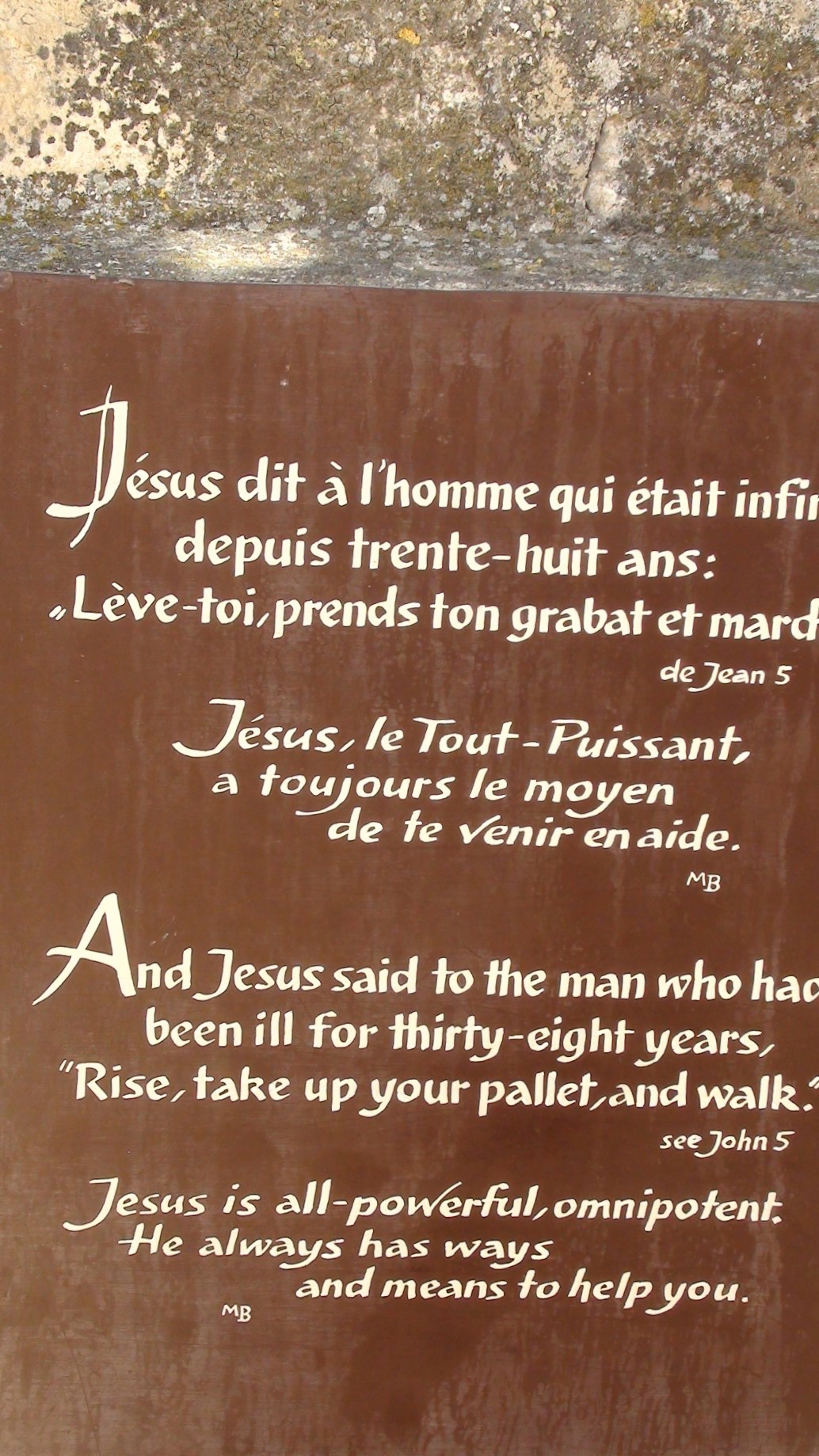
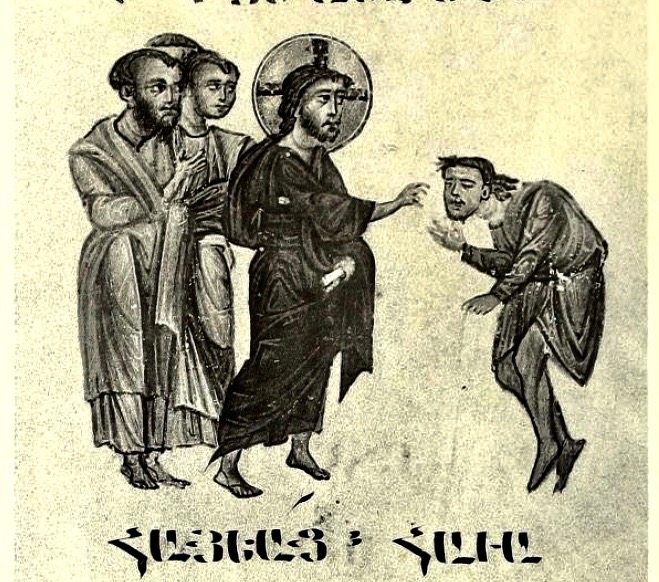
Unfortunately, lengthy readings cause us to forget what sparked them.  Jesus has come up for a feast; on a Sabbath day during that feast he meets a poor fellow who’s paralyzed, who can’t get into a pool of healing water to be cured.  For 38 years he’s been there. Jesus cures him and tells him to take up his mat and go. The man’s confronted by the Pharisees who criticize him for carrying his mat on the Sabbath and criticize Jesus for curing on the Sabbath. ( John 5,1-14)

It’s a dispute about the Sabbath Rest  and Jesus takes the side of God. He cures the man because mercy doesn’t take a day off. God’s merciful every day and so should we be. But Jesus doesn’t leave it at that, he takes it much further. He is the Lord of the Sabbath, God from God, Light from Light, true God from true God. He makes a divine claim. (John 5,17-30)

Father Francis Maloney in his commentary on John’s gospel ( The Gospel of John, Francis Moloney, S.D. B. Sacra Pagina, Liturgical Press) suggests we look at the issues a gospel raises. Don’t give up on readings hard to understand.

There’s the issue of the Sabbath Rest, for example. I’m sure Jesus kept the Sabbath Rest all his life, but he kept it in a merciful way, as his cure of the paralyzed man shows. At the same time, he recognized the value to the Sabbath Rest. It wasn’t a slavish law; it was a call to rest in a special way.  

In his encyclical Laudato si, Pope Francis says the Sabbath Rest is still needed today “when many people sense a profound imbalance which drives them to frenetic activity and makes them feel busy, in a constant hurry, which in turn leads them to ride rough shod over everything around them.”    

The law forbidding work and calling for rest on the seventh day arose “so that your ox and your donkey may have rest, and the son of your maidservant, and the stranger, may be refreshed” (Ex 23:12). Rest opens our eyes to the larger picture and gives us renewed sensitivity to the rights of others.” (LS 237)

That’s what the Sabbath Rest means. We need contemplative time that “opens our eyes to the larger picture and gives us renewed sensitivity to the rights of others.” We also need contemplative time to recognize the claims of Jesus. God and man, divine and human, he came to live and die for us. We need time to know him. 
Can A Mother Forget Her Child?

Wednesday of the 4th week of Lent was an important day for the early church in Rome which met today at the church of St. Paul Outside the Walls with its catechumens who were to be baptized at Easter. The cross was traced on their foreheads. They were given the Apostles’ Creed  to be memorized and reflected upon as a summary of faith.  They were also given the Our Father to be prayed as their basic prayer. 

Penitents were also reconciled to the church this week.

This week the Roman Catholic Church throughout the world, reading from the same scriptures read then, still gathers those to be baptized to pray for them and to give them the creed and the Our Father to sustain them in their Christian life. 

What about the penitents? Certainly there are penitents of the usual kind we should pray for today,  but  what about those who have left our church angry over the sexual abuse issue or issues of discrimination? What about the young who have left? We need to pray for them.

Our readings and prayers this week recognize that God gives the gift of faith and restores it in us.  John’s gospel, read from now on till after Easter at Mass, reminds us we need God’s grace.  The man waiting for 38 years at the pool of Bethesda, the man born blind, Nicodemus in the dark, Lazarus in the tomb are signs of the helplessness of humanity that waits for the life-giving Word of God. God alone makes the weak strong and those who have nothing live.

Waters from the temple flow through the world, yesterday’s reading from Ezechiel says. We’re not meant to be a small church.

Baptism is a gift meant for all, today’s first reading states. God is a mother who never forgets the children of her womb, but calls them from all parts of the world, Isaiah says:  

“I will cut a road through all my mountains,

and make my highways level.

See, some shall come from afar,

others from the north and the west,

and some from the land of Syene.

Sing out, O heavens, and rejoice, O earth,

break forth into song, you mountains.

For the LORD comforts his people

and shows mercy to his afflicted.

But Zion said, “The LORD has forsaken me;

my Lord has forgotten me.”

Can a mother forget her infant,

be without tenderness for the child of her womb?

Even should she forget,

I will never forget.”  (Isaiah 49, 8-15)

We start to read today from the long gospels of John where Jesus announces he is “I am” to an often hostile crowd . “I say to you, the Son cannot do anything on his own, but only what he sees the Father doing; for what he does, the Son will do also. For the Father loves the Son and shows him everything that he himself does…I do not seek my own will but the will of the one who sent me.”

John’s gospel was St. Paul of the Cross’ favorite and he drew much of his spirituality from it. John’s theme of the light shining in the darkness described the spiritual journey for him. The Word made flesh leads us to the Father through the dark world of  temptation and sin.

Even now, we can find rest in the light of God’s Presence. Even now, we can rest in the Father as adopted children. John’s Gospel calls us to remember our “nothingness”, a favorite expression of  St. Paul of the Cross. Only through humility and mystical death can we receive God’s saving power. Only through humility and mystical death does our church live.

The Weak Things

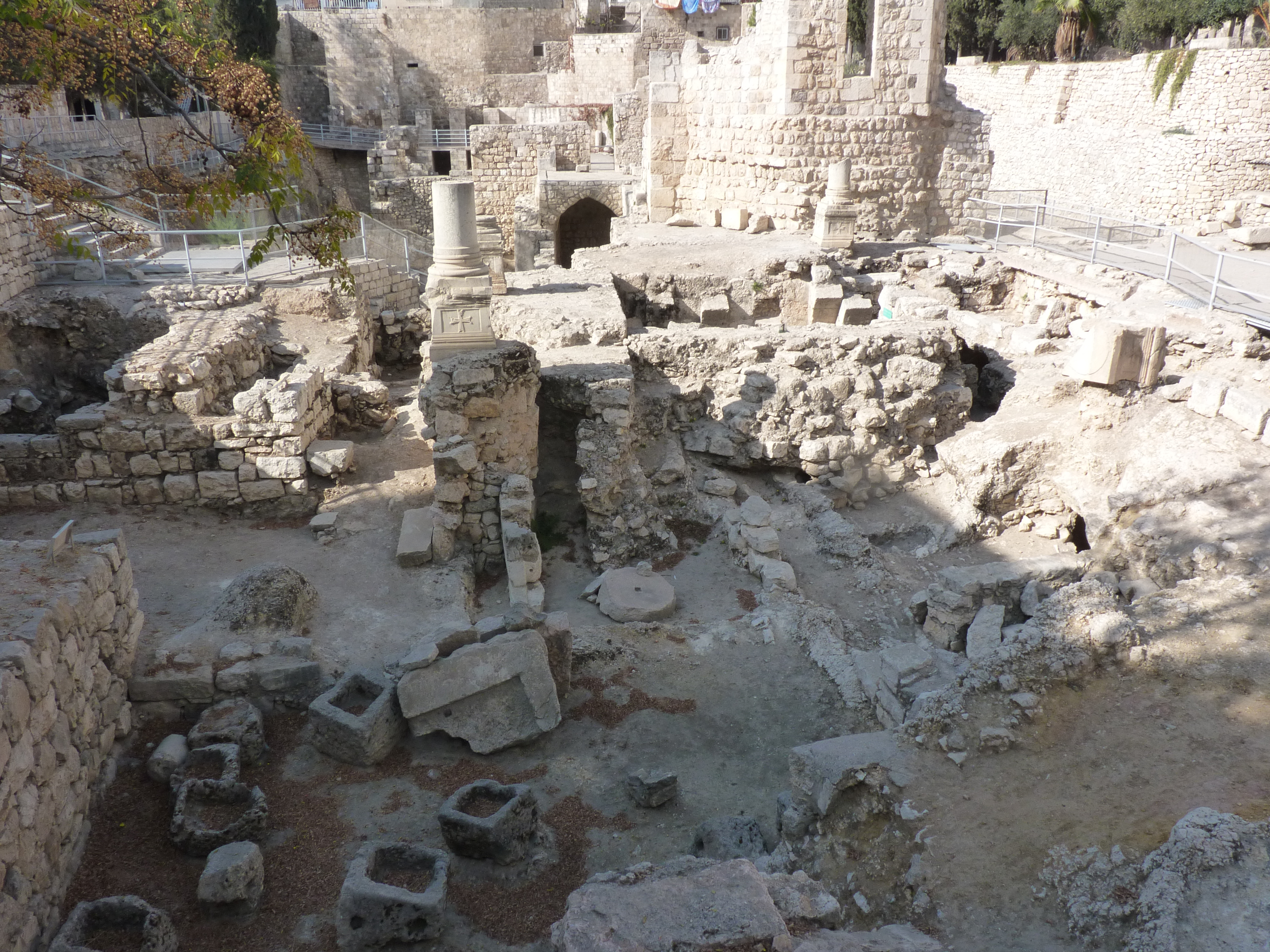
Bethesda, Ruins of the Healing Pool

It’s interesting to compare in John’s Gospel for today the paralyzed man at the pool at Bethesda with the official from Capernaum who sought a cure for his son.  Obviously, the official had standing in his community. He knew how to get things done and came intent on getting Jesus to do something for him. He was a resourceful man.

The paralytic at Bethesda, on the other hand, seems utterly resourceless. For 38 years he’s come to a healing pool– archeologists identify its location near the present day church of St.Anne in the city– and he can’t find a way to get into the water when it’s stirring. He’s paralyzed, too slow, and he doesn’t know how to get anybody to help him. He doesn’t approach Jesus, but Jesus approaches him.

“Do you want to be well?”

Instead of lowering him into the water, Jesus cures the paralyzed man directly and tells him to take up the mat he was lying on and walk.

Through it all, the man has no idea who cured him until Jesus makes himself known later in the temple area. He’s slow in more ways than one.

“God chose what is weak in the world to shame the strong; God chose what is low and despised in this world, things that are not, to reduce to nothing things that are, so that no one might boast in the presence of God,” St. Paul wrote to the Corinthians.

Here’s one of the weak, the lowly, the nobodies God chooses, and he will not be the only one.

Your Son Will Live

We approach the mystery of the Death and Resurrection of Jesus this 4th week of Lent reading the Gospel of John from today into Holy Week, Good Friday and Easter. John’s gospel casts a special light on the final dark days before the Word made flesh returns to his Father. 

In today’s gospel, a government official from Capernaum begs Jesus to come and heal his son.“Your son will live,” Jesus tells him.The man believed what Jesus said, and on his way back his servants meet him with the news that his boy will live. (John 4, 43-54)

The father is like God the Father whose love will never let death claim his Son but raises him to life. In John’s gospel, Jesus affirms repeatedly his firm union with his Father. “The Father and I are one.”  “My Father is at work until now, so I am at work.”  It’s a theme we’ll hear often these final days of Lent. 

God is not heartless before the mystery of death, this second sign in John’s Gospel says. God is the God of life.

.John’s gospel was the favorite gospel for St. Paul of the Cross who saw our journey in the light of Jesus’ journey to his death and resurrection. We have another life before us, we die mystically in this one. We’re called to rest in the bosom of the Father.

 “I recommend to you never to rest in this life’s gifts and the joys they bring, but look with faith and love on the journey to God in nakedness and poverty of spirit, losing all in him, not looking back on your suffering or on any spiritual understanding you have, but rest in naked faith and pure love on the bosom of God, completely clothed in Jesus Crucified.” (Letter 914)


O God, let me rest in you 

even now, even before my earthly journey’s done,

through the merits of Jesus Christ, your Son.  

Readings for April 1-7

Readings: April 1-7

APRIL 1 Mon Lenten Weekday6 Is 65:17-21/Jn 4:43-54 (244)

2 Tue Lenten Weekday

[Saint Francis of Paola, Hermit]

Ez 47:1-9, 12/Jn 5:1-16 (245)

3 Wed Lenten Weekday

Is 49:8-15/Jn 5:17-30 (246)

4 Thu Lenten Weekday

Ex 32:7-14/Jn 5:31-47 (247)

5 Fri Lenten Weekday

[Saint Vincent Ferrer, Priest]

Wis 2:1a, 12-22/Jn 7:1-2, 10, 25-30 (248)

6 Sat Lenten Weekday

Jer 11:18-20/Jn 7:40-53 (249)

7 SUN FIFTH SUNDAY OF LENT

Is 43:16-21/Phil 3:8-14/Jn 8:1-11 (36)


John’s gospel provides most of the weekday gospels for the rest of Lent beginning with this 4th week. It will also be the Passion narrative we read on Good Friday and it offers some of key gospel readings for the Easter season.

The great stories from John’s gospel told in the final weeks of Lent reveal God’s saving power in human weakness. The man born blind, the helpless paralytic, Nicodemus in the dark, Lazarus in the tomb are signs of humanity saved by the Word who brings life. With his usual twist of irony, John shows that the weak are made strong by God’s power and those having nothing come to life and share in his glory.

We’ll also be reading some of those long gospels where Jesus announces who he is, “I am”, to an often hostile crowd in the temple area.

John’s gospel was St. Paul of the Cross’ favorite and he drew much of his spirituality from it. John’s theme of the light shining in the darkness described the spiritual journey for him. Ours is a dark world of  temptation and sin:  yet the Word made flesh leads us to the Father. Even now, we can find rest in the light of his Presence. Even now, we can rest in the Father.

The stories in John’s Gospel call us to remember our “nothingness”, a favorite expression of  St. Paul of the Cross. Only through humility and mystical death can we receive God’s saving power.


4th Sunday of Lent c: The Prodigal Son

For this week’s homily please play the video file below:

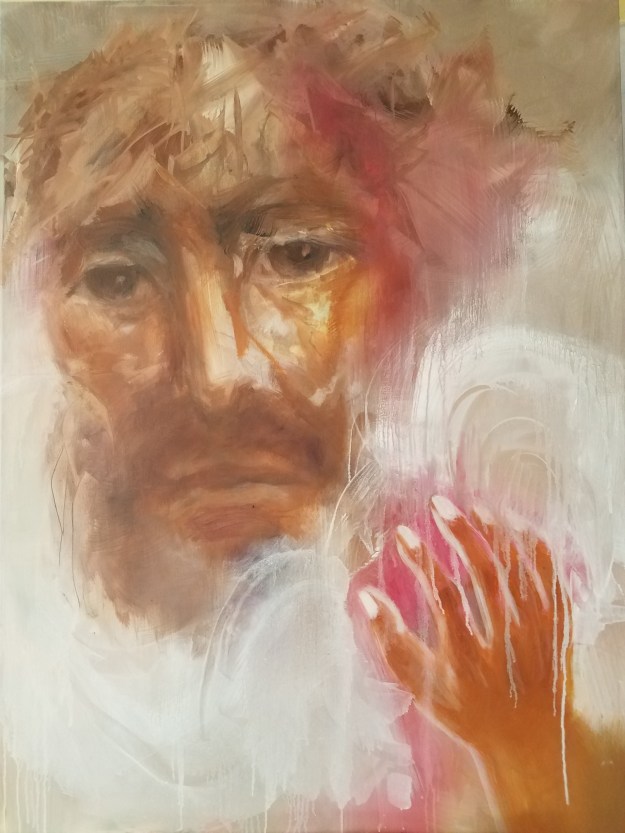
There had to be a Veronica


I spent several hours thinking about the last words of your reflection on Veronica and on Duk Soon Fwang’s painting about Veronica’s meeting Jesus on his way to the cross. I believe that Veronica saw the face of Jesus, as it was, before she pressed her veil to his face.

There Had To Be Veronica

    The inquisition, 
            the scourging,
    the beating, 
    the stripping of his garments, 
    the mockery of the purple robe,
    the piercing pain of the crown
    forced onto head.

    The cobblestone road, 
    torture on his bare feet,
    the beam across his shoulders, 
    carried with his arms folded over it
    from back to front,
    sheer agony for his bones and muscles,
    the sweat and blood 
    running from his head wounds 
    blinding his eyes.

The woman who stepped out,  
    against the screaming crowd
    of jeering and weeping humanity,
    removed her veil and raised it toward
    his suffering face,
    only her hand revealing her courage,
    her compassion,
    her love.

                Gloria Ziemienski
                March 2019

What Wondrous Love

This is the first Commandment, Jesus said:
Hear, O Israel!
The Lord our God is Lord alone!
You shall love the Lord your God with all your heart, 
with all your soul, 
with all your mind, 
and with all your strength.

The second is this:
You shall love your neighbor as yourself.
There is no other commandment greater than these.”

We  should expect to hear about love on a lenten friday. Believers recall the passion of Jesus on all the fridays of the year, but the lenten fridays are special days to prepare for the Friday called Good. That was a day that challenged the love Jesus had for us and for our world. We saw God’s wonderous love for us in him.

On that day Jesus fulfilled the great commandment he preached to others in a striking way. Historians, scholars, artists approach the mystery of his passion and death and resurrection of Jesus from many perspectives. The gospels and Christian tradition dwell on the mystery in great detail. It is a fascinating conclusion to a fascinating life.

Jesus could have experienced just humanity’s joys and creation’s beauty when he became flesh, leaving aside the sorrow that burdens humanity and creation. He could have loved us at our best. But when he became human he “bore our sorrows.” He bore our sorrows from his birth till he embraced the mystery of death on a cross.  It was love he obeyed. “He was obedient unto death.” 

Why did Jesus suffer such a death? A question only answered by recognizing it as fulfilling the command of love. The cross was not something Jesus endured; an absurd mystery before which he shut his eyes and to which he had no response. He embraced  it with his whole heart, his whole mind and all his strength as his Father’s will.  At his cross, we stand before Love.

Demons, Devils and Miracles

Demons, devils and miracles are common in the bible, but we treat them suspiciously in our western world today. If something remarkable happens, as it does in Luke’s gospel read today, people tend to discount its mysterious origin. We’re uncomfortable with talk of demons, devils and miracles. Something’s behind it and we’ll discover it sooner or later. We’ll put experts on the case.

Miracles of healing were among the signs that established the identity of Jesus among his early hearers. They were proofs God gave. I wonder if we will see more miracles today in our unbelieving age. The experts won’t be able to understand it.

The great sign we receive this Lenten season is the sign of Jesus’ resurrection: 

 Peter says to the crowds in Jerusalem after Pentecost, “Listen to what I have to say to you about Jesus of Nazareth, a man attested to you by God with deeds of power, wonder and signs that God did through him among you, as you yourselves know,” 

The apostle goes on from these signs of Jesus’ ministry to the culminating sign of his death and resurrection.

 No human power can explain this mystery, surpassing all others. Jesus in his death and resurrection took on all human sorrows– the sorrow of the mute, the deaf, the paralyzed, the possessed, the dead, the sinner far from God. And he was raised up and gave his life-giving Spirit to the world.

Some deny this sign too. but it’s the great sign that we celebrate in this holy season.

Small Things

In today’s  gospel from Matthew (Matthew 5:17-19)  Jesus speaks from a mountain, a place where sublime things are taught. Moses before him brought God’s word to the Israelites from a high mountain. Now, Jesus teaches as the New Moses, in the Sermon on the Mount.

He does not abolish what the great patriarch taught but brings it to fulfillment, Jesus says. 

He makes sublime promises of a Kingdom; our God is gracious and near. But this part of the Gospel reminds us of little things, “the smallest letter or the smallest part of a letter,” the small steps, the “least commandments” we must keep to enter the Kingdom of heaven. Small things.

Lent—our reading reminds us—is not only for remembering great things but for remembering small things like a cup of cold water, a visit to the sick, feeding someone hungry, clothing someone naked, speaking a “word to the weary to rouse them.” They  are important commandments of God. 

So let’s think great thoughts and embrace great visions of faith these days, but don’t forget those small things that are so big in God’s law. We have to keep them in mind.  The greatest in the kingdom of God are the best at that.

 What small step do you want me to take today, O Lord?      

Let me be small enough, humble of heart and mind      

that I can see another’s need, not my own.     

 What can I do to help the neighbor I meet,      

my neighbor made in your image?