Category Archives: Inspiration

Feasts are for Reflection

Ryrson cross

A 13th century European pilgrim to the Holy Land brought this icon home as a reminder of his pilgrimage. What places did that pilgrim visit? Surely, Bethlehem where Jesus was born, and Jerusalem where he was crucified and rose  from the dead. In both places , Mary was there with her Son.

In the picture on the left Mary is a joyful mother holding her Son, a divine Son whom the angels praise.  She is a daughter of Abraham, Isaac and Jacob, a daughter of the human family whom she represents. She never loses that joy, which she invites us to share.

In the picture on the right, Mary stands with John, an image of the church, beneath the cross of Jesus. Angels are astonished at the sight. Jesus seems to enfold his mother and the disciple whom he loves in his arms..

The gospel reading from St. John for the feast of Mary’s Sorrows says simply that Mary stood by the cross of Jesus. She’s a brave woman, not afraid to come close to the fearful place where Jesus was put to death. The Book of Judith, ordinarily the 1st reading for the feast, praises Judith, the brave and wise Jewish woman who’s not afraid to stand with her people at a dangerous moment in their history. Two women of courage face suffering and the challenge it brings.

The prayers, traditions and art of this feast take up the theme of Mary standing by the cross. She’s remembered  in poetry, music and art. “Stabat Mater” Here’s an example in Gregorian Chant and Pergolesi’s magnificent baroque setting.

At the cross her station keeping
Stood the mournful mother keeping
Close to Jesus to the last.

Women mystics, like St.Bridgid of Sweden, a mother herself and an important pilgrim to the Holy Land, saw the life of Jesus, particularly his passion, through a mother’s eyes. Wouldn’t Mary draw close to her Son’s cross and then hold him in her arms as they brought him down. The gospels do not mention it, but women like Bridgid were sure it was  so.

Women mystics like Bridgid gave us the Pieta.

A study of the Pieta in art in early medieval France shows the various ways this scene was pictured in art before Michaelangelo’s Pieta became an overpowering icon surpassing others. “Often she is viewed as caught up in the horror of the moment, but she is also shown praying or even gazing into the distance, as if contemplating comforting memories or the reunion to come. Her demeanor ranges from youthful innocence—the Purity that Time cannot age—to careworn maturity—Our Lady of Sorrows.”

Sorrow. like joy, has a range of faces. Mary shows us them all.

Bartholomew, the Apostle: August 24

IMG (160)
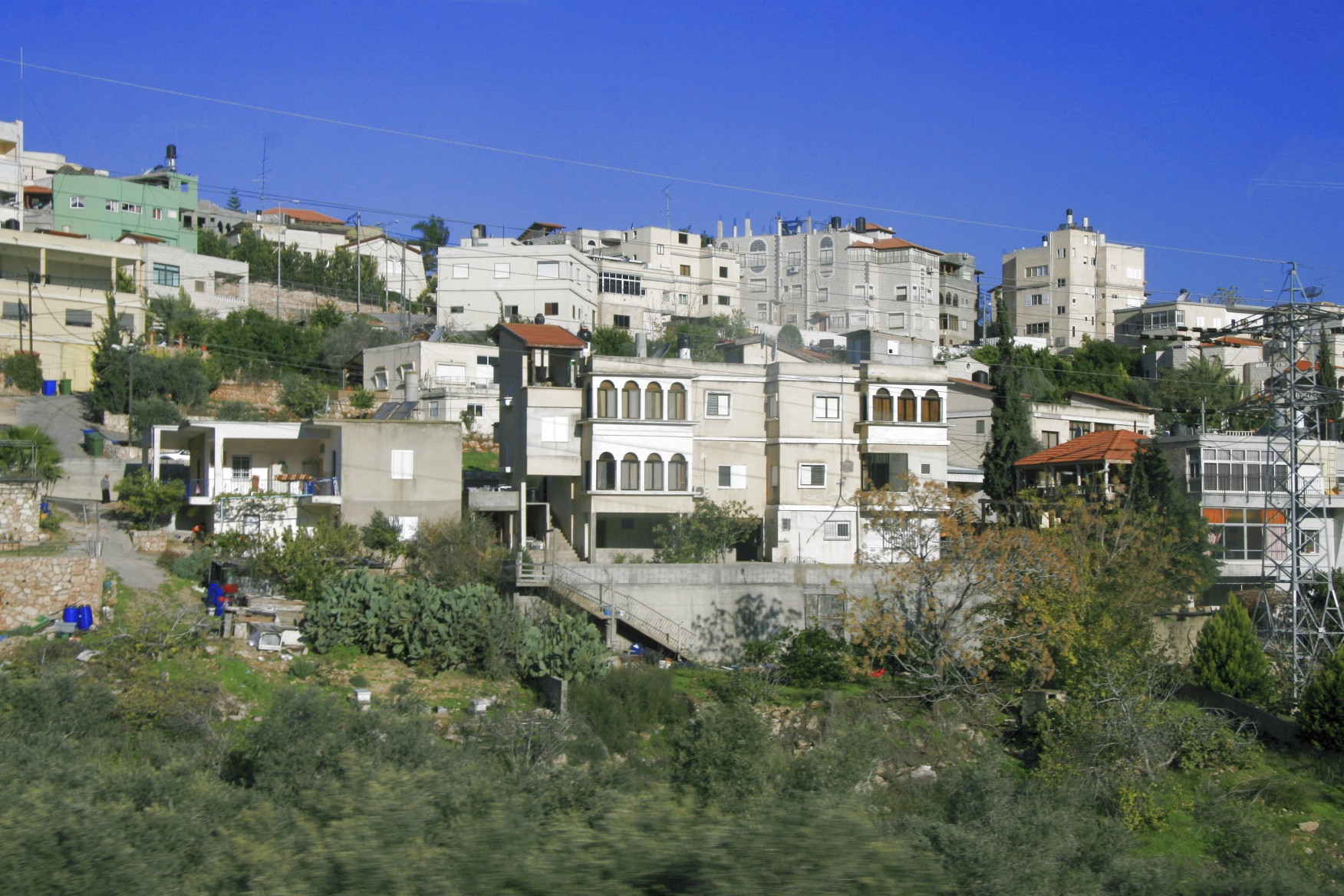
Cana today

August 24th is the feast of the apostle Bartholomew, also identified as Nathaniel,  from Cana in Galilee, only a few miles from Nazareth.  Like Nazareth, Cana attracted little interest in Jesus’ time, yet it played  a major role in Jesus’ early life and  mission.

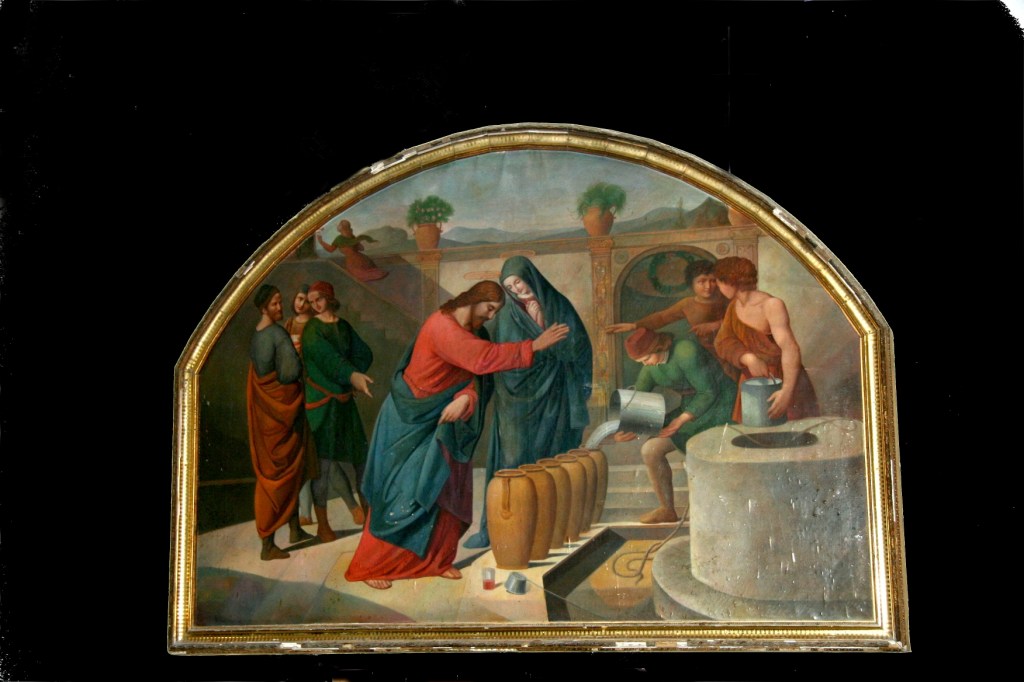
In John’s gospel,  Jesus turns water into wine at a wedding in Cana, his first “sign” that God’s kingdom would come. (Jn 2, 1-12) The family faced a wedding nightmare: the wine was running out and embarrassment was sure to come.

Catholic Church, Cana
cana carol rothstein 7

Was the family related to Jesus? Or Bartholomew?  At least they were close. Why else would Jesus, his mother and his disciples be at the celebration?

The miracle was special,. More than saving a family from embarrassment, it’s a sign in John’s gospel of God’s great love for ordinary people in ordinary towns everywhere. God delights in them, says the Prophet Isaiah, whose words often accompany the Cana miracle,  Cana signifies poor Israel, whom God loves with all the ardor of a “young man marrying a virgin,” God’s love, bountiful, restoring, overflowing with delight, goes out to this poor place, as well as poor places everywhere.

Jesus performed another miracle at Cana, John’s gospel says, another sign of the coming kingdom. Besides the miracle at the wedding, Jesus cured the dying son of a government official from Capernaum, whose ” father came to Cana because he heard that Jesus was there. (John 4.46-54) Jesus saved his son from death.

cana carol rothstein

Through the centuries Cana hasn’t prospered much. It’s not much to look at today.  In the late 19th century, a visiting English vicar described it this way:

“ (Kefr Kenna) lies on high ground, but not on a hill…A broad prickly pear led to the group of houses which perhaps represents the New Testament Cana. Loose stones were scattered around the slope. There may be, possibly, 150 inhabitants, but one cannot envy them their huts of mud and stone, with dunghills at every corner. Huge mud ovens, like great beehives, stood at the sides of some of the houses.

“ In one house a worthy Moslem was squatting on the ground with a number of children, all with slates on which verses of the Koran had been written, which they repeated together. It was the village school, perhaps like that at Nazareth eighteen hundred years ago.

“ A small Franciscan church of white stone with a nice railed wall, with a beautiful garden at the side, had over its doorway these startling words in Latin: ‘Here Jesus Christ from water made wine.’ Some large water jars are shown inside as actually those used in the miracle, but such mock relics, however believed in by simple monks, do the faith of other people more harm than good.”

Cana’s still a poor town. Like other poor places in the world it’s waiting to be raised up to share in the splendor of the heavenly Jerusalem. God loves poor places like this, the Cana miracle says. Bartholomew came from here.

cana carol rothstein 11
Church of St. Bartholomew, Cana

Ezechiel, for those over Thirty

We‘re reading the Prophet Ezekiel at Mass these days. Early Jewish scholars considered him hard to read; only those over 30 should read him, some said. We have the same difficultly. The lectionary for today, Friday in the 19th week of the year, offers a gruesome story of infanticide. A infant girl is thrown out to die. Not a pretty story to look at.

It’s a story harsh to hear and hard to understand. Infanticide, a form of abortion. child abuse, gender discrimination, prostitution, ingratitude, forgetfulness of God. Ezechiel describes his own society in dark terms. Yet, all the while God is there. We’re offered a shorter version in our lectionary to spare us from the ugly details.

But don’t miss God’s intervention:

“You became mine, says the Lord GOD.Then I bathed you with water, washed away your blood, and anointed you with oil. I clothed you with an embroidered gown, put sandals of fine leather on your feet; I gave you a fine linen sash and silk robes to wear. I adorned you with jewelry… You were exceedingly beautiful, with the dignity of a queen.”

“But you were captivated by your own beauty,
you used your renown to make yourself a harlot,
and you lavished your harlotry on every passer-by,
whose own you became.”

“Yet I will remember the covenant I made with you when you were a girl,
and I will set up an everlasting covenant with you,
that you may remember and be covered with confusion,
and that you may be utterly silenced for shame
when I pardon you for all you have done, says the Lord GOD.”
{Ezechiel 16, 1-69)

Ezeckiel’ story of the abandoned girl is a story of sin and redemption. All the while God is there.

Look at the hard times, don’t ignore or hide from them, but see them with the eyes of God, the prophet says. “Thus says the Lord GOD,” I swear I am coming… I will claim my sheep…I will save my sheep…I myself will look after and tend my sheep.” (Ezekiel 34,1-11)

Good words for us today?

Life Comes from His Wounds

ICON

The Passionists celebrate the Feast of the Glorious Wounds of Jesus on Friday of the second week of Easter. The four gospels tell the great story of the passion of Jesus, each in its own way. More than the others, John’s gospel focuses on his wounds, unlikely signs revealing the mystery of the Word made flesh.

On Calvary  a small symbolic group stands beneath the cross of “the King of the Jews”– Mary, the mother of Jesus, the disciple whom he loved, and a few others. A gentile soldier joins them.

This group represents the “new Jerusalem,” “the inhabitants of Jerusalem who look on the one whom they have pierced…and mourn for him, as one mourns for an only child.” (Zechariah 11, 10 )

They receive a precious gift. “It is finished!” Jesus declares, and bowing his head, he pours out his spirit on them. A Roman soldier thrusts a spear into Jesus’ side. “Immediately blood and water flowed out.” (John 19, 34)

Blood, a sign of his life, flows on those standing beneath his cross. Water, signifying the Spirit within him, is poured out on the world they represent. Far from ending his life, his death is the moment Jesus shares his life.“This is the one who came by water and blood, Jesus Christ.” (I John 5,6)

Artists afterwards picture the wounds of Christ as cosmic signs. They place the grave of Adam beneath the cross — generations wait for the new life Jesus brings. Creation, symbolized by the sun and moon, looks on expectantly, for Calvary is where creation too is redeemed. Angels collect the blood and water from Jesus’ wounds in cups representing the mystery of the Eucharist. All days are found in this one day. On Calvary, the glory of the Lord is revealed in his wounds.

St. Paul of the Cross in his letters often wished the one to whom he’s writing to be placed in the “wounds of Christ” or the “holy Side of Jesus” or his “Sacred Heart.”  “I am in a hurry and leave you in the holy Side of Jesus, where I ask rich blessings for you.”

These expressions may seem pious phrases until we read the story of Thomas from John’s gospel. Jesus shows the doubting disciple the wounds in his hands and side, and Thomas believes.

Belief is not something we come to by ourselves. God gives this gift through Jesus Christ. We all stand beneath the life-giving Cross of Jesus. May his life give new hope to us and our world.

The Spring Rains Come

 April showers. Spring rains. A bowl of Easter Water stands near our altar during the Easter season.

Cyril of Jerusalem has a wonderful sermon on water that he preached to catechumens centuries ago. Here are a couple of lines:

“Water comes down from heaven as rain, and although it is always the same itself, it produces many different effects, one in the palm tree, another in the vine, and so on throughout the whole of creation. It does not come down, now as one thing, now as another, but while remaining essentially the same, it adapts itself to the needs of every creature that receives it.”

The saint goes on to say that just as water adapts itself to every creature, the Holy Spirit gives life to each one according to its needs and to benefit the common good. The Spirit’s coming is gentle, not felt as a burden, with tenderness, as a true friend, to save, heal, counsel, strengthen and console.

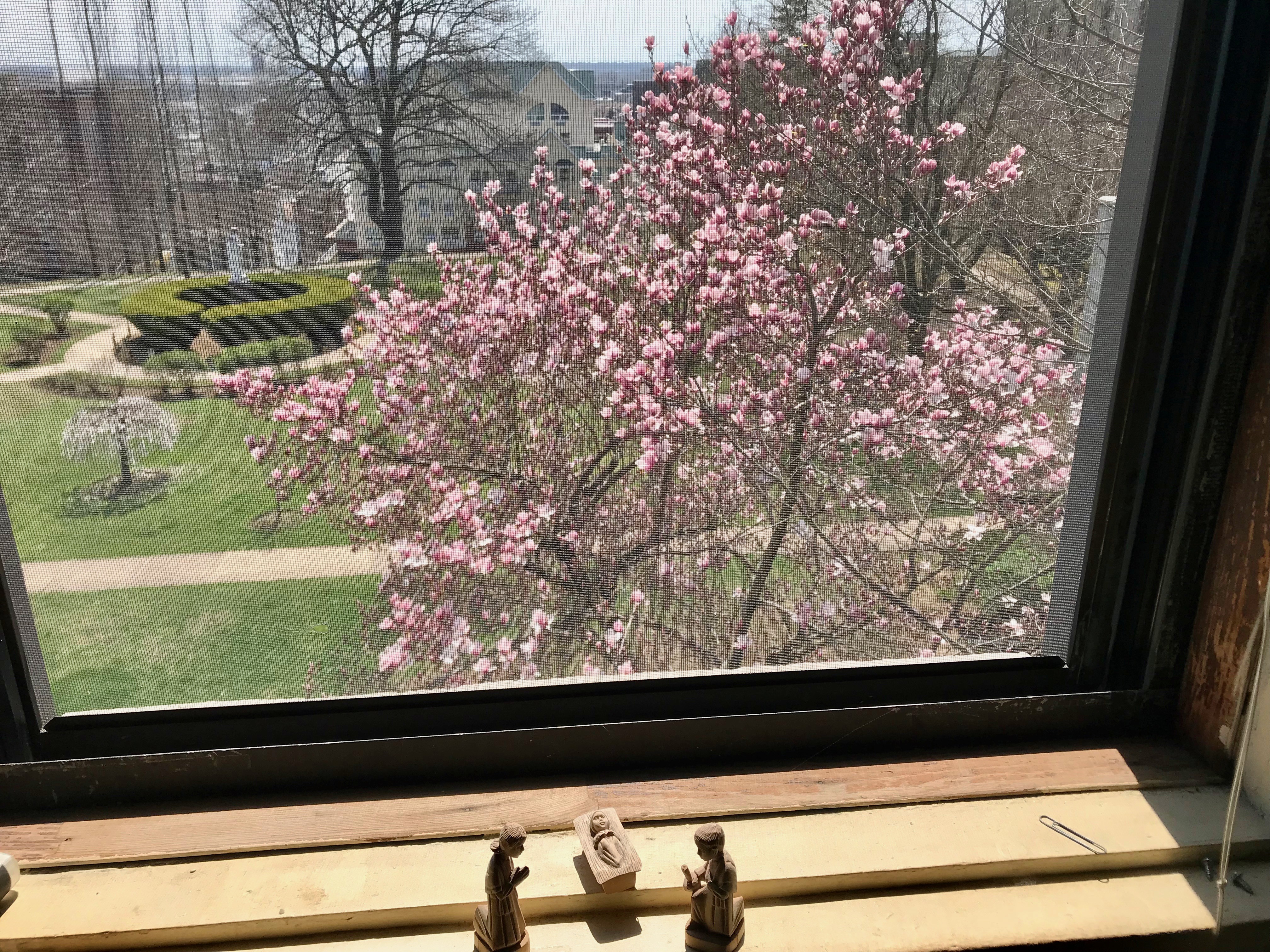
So back to spring rains. They have come this year.  The magnolia trees outside my room testify they’ve come, and the other trees and plants in our garden testify too. The rain falling on the earth does what it always does. Like the Spirit of God, water brings life.

Might we learn from the spring rains bringing life to all the varied plants, all shapes, all sizes, even some we might think useless or of no account?. Might we learn from the spring rains?

Send the spring rains, Lord, on our varied earth and human family.

The Bird of Good Hope

I found this Christmas story called “Aidan of the Cows” in an old book.

A young woman named Aidan had a herd of  choice cows producing the best milk and cheese anywhere in the village of St.Koatsven in a distant land near the shore of a distant sea.

Unfortunately, Aidan fell on bad times because the young man she loved spent her fortune and all her cows had to be sold  to moneylenders.

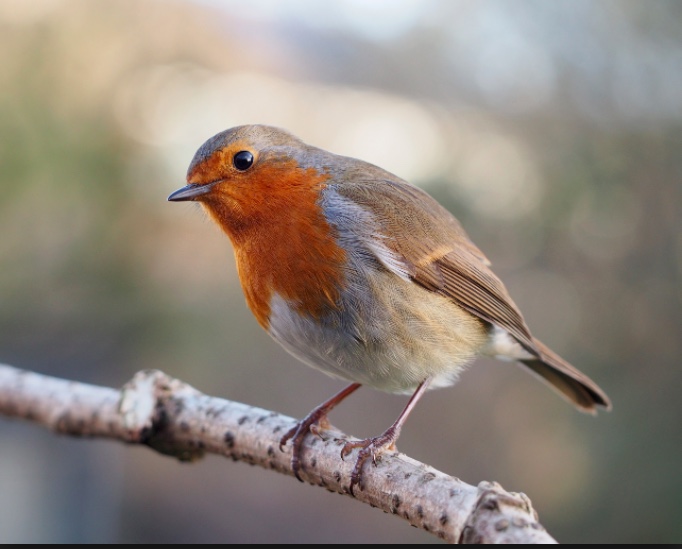
Christmas morning Aidan wandered sadly down a meadow near the sea and  heard a robin singing:

She listened with amazement, with fear and trembling,  with a fearful joy, because the bird sang in human speech.
“I am Robin Redbreast,” he sang, ” the Bird of Good Hope, much admired among birds. For in ancient times when He was toiling up the heavy hill bearing the bitter Cross, I was moved by Heaven to alight on His head, and I plucked from out His bleeding brow one thorn from the cruel crown that bound His temples. One drop of His blood bedewed my throat as I stooped to the blessed task and dyed my breast in a hue of glorious beauty for ever.”

Aidan listened with all the ears of her heart.
“In remembrance of what I did, a blessing was given me—that once  every year, on Christmas-eve, I can give a good gift to the first maiden, good but unhappy, who should put her foot upon the herb Marie, as you, Aidan, have done.”

The girl looked down. Her foot was lightly- pressing the pretty little yellow trefoil plantret, an herb called Marie. “As you have done, Aidan of the Cows,” the robin repeated with a confident chirrup.

Of course, Aidan got her cows back and even got her repentant young man, whom she married, and they live happily ever after. All this took place in a Distant Land where things like this take place.

May the Bird of Good Hope speak to you today.

Unfortunately, we’ve lost this wonderful imaginative tradition that sees divine mysteries allied to the ordinary plants and creatures of creation. Science has taken over our Christian imagination. May we get it back some day; maybe the Christmas mystery so closely allied to a simple stable and donkeys and cattle and camels and straw may help us.

Calming the Storms (Matthew 14:22-36)

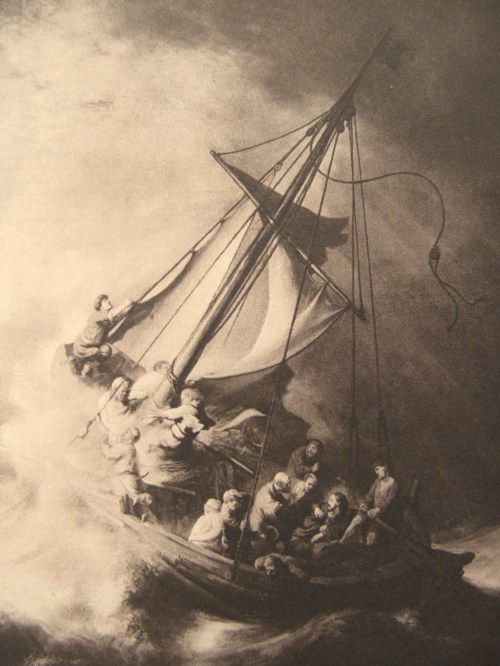
Jesus storm at sea
The giant waves on the Sea of Galilee in Rembrandt painting would be hard to survive, let alone walk on, but that’s what Jesus did, Matthew’s gospel today tells us. Jesus walked on the waters and tamed them. Only God does that, the psalms say.

“You uphold the mountains with your strength.
You are girded with power.
You still the roaring of the seas
And the roaring of their waves,
And the tumult of the peoples. “ Psalm 65

We usually read the stories of the disciples in the storm at sea as stories of rescue, and they are. God saves us from the storms we face on our life journey. But first, the stories testify to Jesus’ mastery over creation. On the shore his power touched human beings, like the leper, the deaf and those who could not speak; on the sea he rules creation. “Truly, you are the Son of God,” his disciples say after he gets into the boat and the wind dies down. (Matthew 14,22-36)

In his encyclical on the environment “Laudato Si” Pope Francis emphasizes the power of God over creation. As creator and savior, God gives all things their dignity and purpose. Human beings are not lords of this world, God alone is.

The story of Peter in our gospel takes on new interest in that perspective. Jesus invites him to walk on the water, giving him a share in God’s power. But Peter’s fear and lack of faith overcomes him. He begins to sink.

In our unfolding environmental crisis (storms, winds, floods) are we like Peter, called to share God’s power but turning away from our responsibility to calm the waters? Too big for us to take on. If that’s so, we sink.

Pray for us to God, O Queen of Heaven!

Photo art by Fr. Victor Hoagland, C.P. and Gloria M. Chang

The Regina Caeli is a 12th century antiphon in honor of the Blessed Virgin Mary that is prayed during the Easter season in place of the Angelus. A legend records that during a pestilence in Rome, while the Regina Caeli was being prayed in procession with her image, angels were heard singing along and an end was put to the plague. Let us pray to our Queen with the angels to bring healing to our world.

Tenebrae

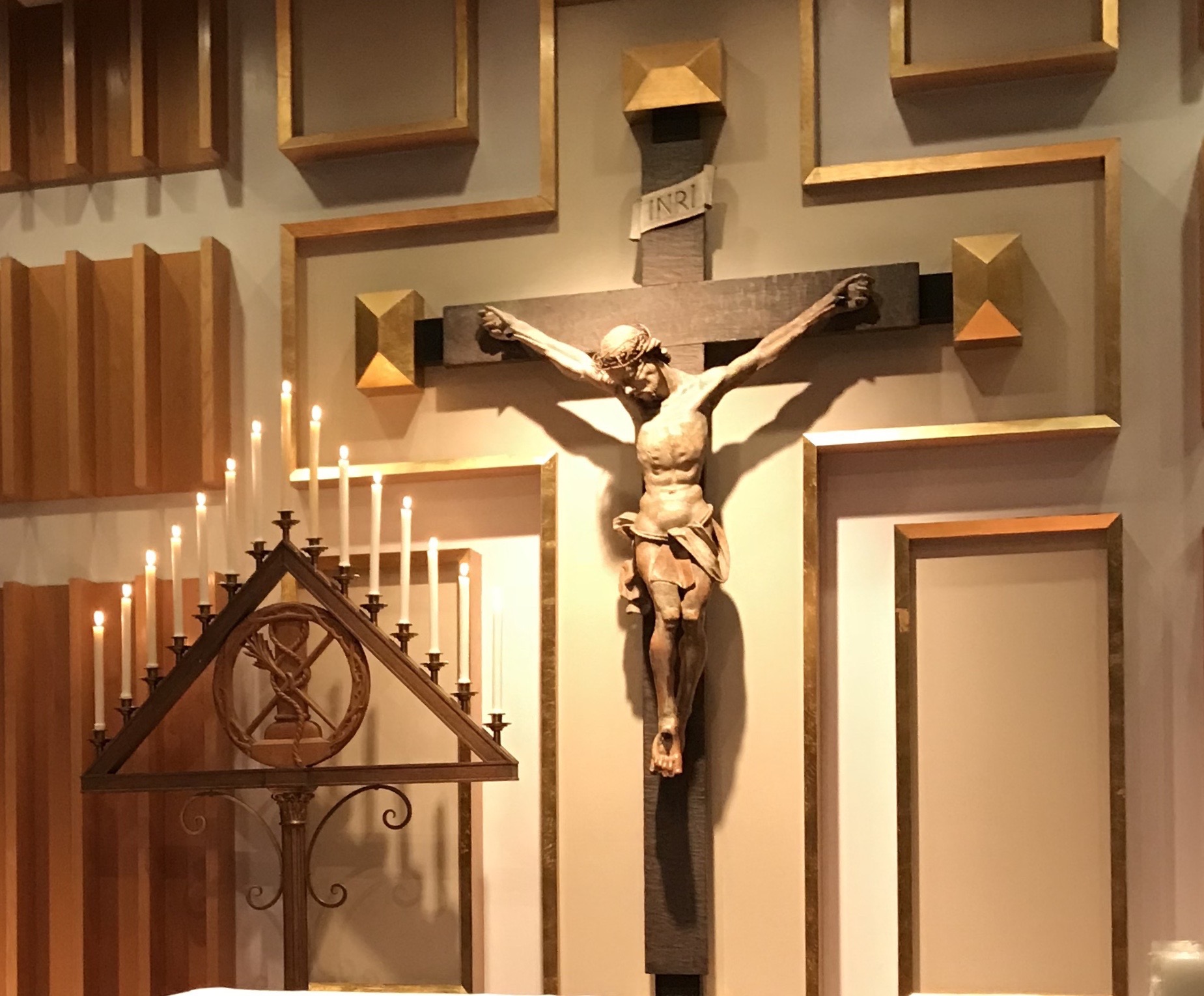
Tenebrae is an ancient Holy Week service celebrated on Holy Thursday, Good Friday and Holy Saturday. Tenebrae, a latin word, means darkness, but the 15 lighted candles at the heart of this service say that darkness never has its way. The 15 candles stand for Jesus, his twelve disciples and the two disciples who leave Jerusalem for Emmaus after Jesus’ death, having lost all hope.

In the Tenebrae service, the candles are extinguished one by one, as the scriptures are read. His disciples leave him, one betrays him. Jesus goes to death alone, but his light remains burning.

Psalm 69 is read at Tenebrae on Holy Thursday:

“I have become an outcast to my brothers,
a stranger to my mother’s sons,
because zeal for your house consumes me,
and the insults of those who blaspheme you fall upon me.”

On Holy Thursday Jesus leaves Bethany with his disciples to celebrate the Passover feast in the evening in an upper room in Jerusalem near the temple. At the table he tells them their faith will be shaken and they will leave him.

The Tenebrae readings tell us  Jesus is our great high priest whose love never fails:

“We have a great high priest who has passed through the heavens, Jesus, the Son of God, let us hold fast to our confession. For we do not have a high priest who is unable to sympathize with our weaknesses, but one who has similarly been tested in every way, yet without sin. So let us confidently approach the throne of grace to receive mercy and to find grace for timely help.”
(Hebrews 4, 14-16)

These days of Holy Week we approach “the throne of grace to receive mercy and find grace for timely help.”

A final reading on Holy Thursday from an Easter homily by St. Melito of Sardis reminds us: “He is the one who brought us out of darkness into light, out of slavery into freedom, out of death into life, and made us a people chosen to be his own. He is the Passover which is our salvation.”

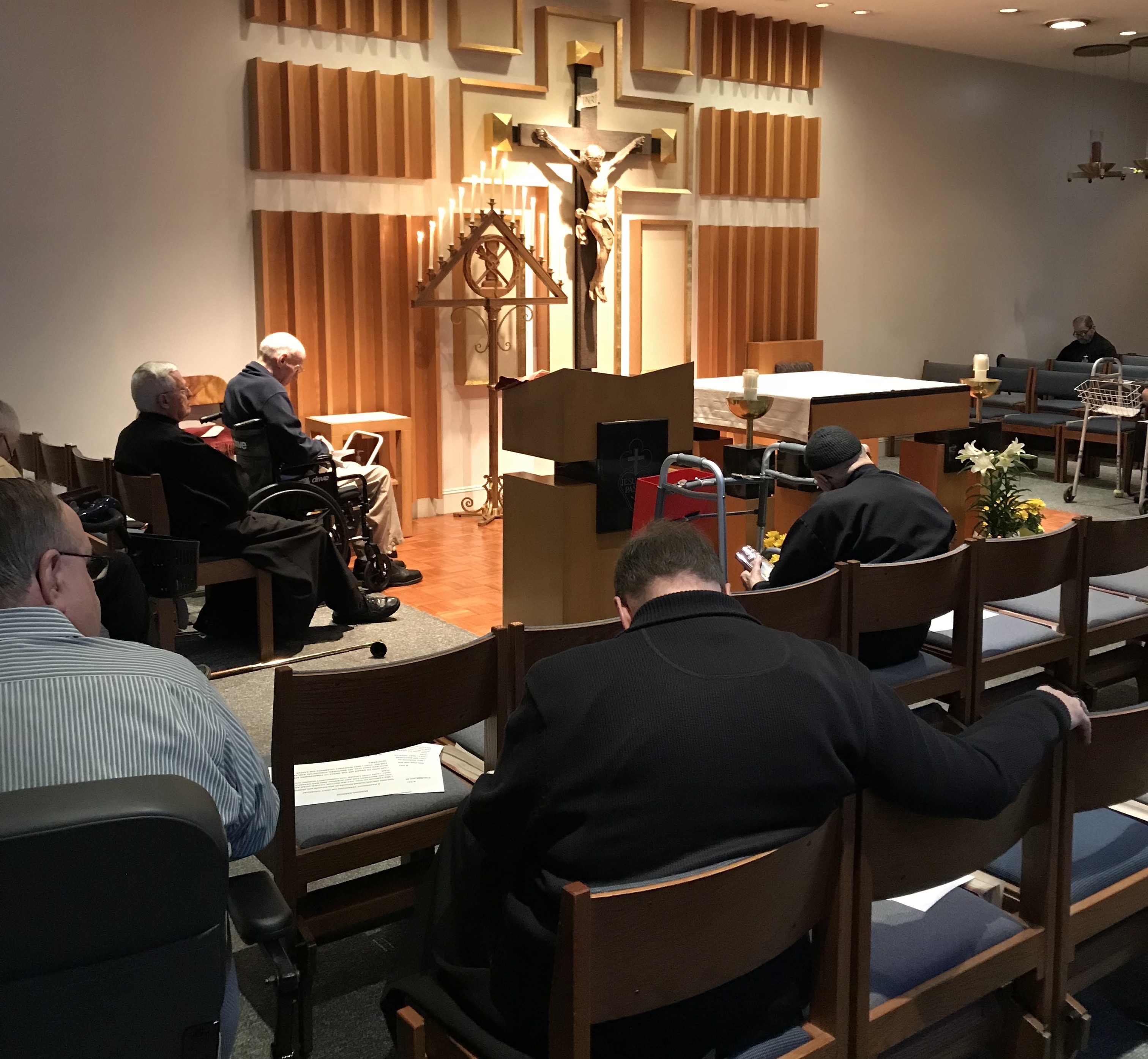
We celebrated Tenebrae  Holy Thursday, Good Friday and Holy Saturday at Immaculate Conception Monastery in Jamaica, New York.

I haven’t found much on the history of Tenebrae, except indications that the prayer began in monastic circles early on. My guess is that it developed from a pastoral need. During the days of Holy Week more people must have come to monasteries to pray as  work was somewhat lessened–unlike our time when we work, feast days or not. Did the monks decide to make some accomodation to their daily office for their visitors?  

The celebration has candles, extinguished as the psalms and other scriptures are read. Everyone understands candles. The psalms are favored sources for understanding the mystery of the passion and resurrection of Jesus in monastic prayer, but they’re not easily appreciated. 

The psalm prayers and captions from St. Augustine and other saints in the church’s morning and evening prayer today are meant to help people appreciate their Christian meaning. 

So can Tenebrae still be a creative prayer form during Holy Week?  I think so. 

Jesus in Caphernaum

img_0065

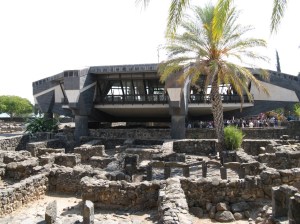
  Near the shore of the Sea of Galilee, in Israel, one can visit the excavations of the ancient town of Capernaum. There the Franciscans have built a lovely hexagonal church over the restored ruins of a circular stone house, with the opening for its front door clearly visible. We pilgrims believe in our hearts of faith that this is the house mentioned in today’s Gospel.

      ” On leaving the synagogue Jesus entered the house of Simon and Andrew with James and John. Simon’s mother-in-law lay sick with a fever. They immediately told Him about her. He approached, grasped her hand, and helped her up. Then the fever left and she waited on them.

     ” When it was evening, after sunset, they brought to Him all who were ill or possessed by demons. The whole town was gathered at the door.” (Mk 1; 29-33).

     We believe that right at that door Jesus healed dozens, if not hundreds, of people (including the paralytic, who was lowered with ropes through the ceiling). He might also have preached the Good News of the Kingdom in front of that humble threshold.

     I cannot help but imagine my Lord residing in my own private room within my heart. I know that there, through the Eucharist or prayer, planned or unexpectedly, He continuously “grasps my hand and helps me up”. He stands at the door of my heart and encourages me to serve, to invite all those around me, in my family and community, who might need some of the hope and healing that He compels me to share. This is what I live for.

     And He asks for more: ” Let us go on to the nearby villages that I may preach there also. For this purpose have I come.” (Mk 1; 38). With His holy companionship I am asked to reach out to those beyond the locust of my comfort zone: to the stranger, the different, the unpleasant one,the hopeless one, the one whose political ideas or interests are so different from mine.

     May He give me the strength and faith, and courage, to try and “grasp” the hand that might reject mine. He has given me so much undeserved grace and love. He has given me the eyes to “see Him”. For what “purpose” has He come to me, if not so that I may be an instrument of His peace and love?   

                                      Orlando Hernandez