St. Cyril of Jerusalem (313-386) was bishop of Jerusalem when that city was a popular center of Christian pilgrimage. Ordinary Christians, as well as scholars like St. Jerome and St. Paula, came to the Holy Land at the time to visit the places where Jesus was born, died and rose again. “The whole world is going to an empty tomb,” St. John Chrysostom remarked.
The church in Jerusalem influenced the liturgical, catechetical and devotional life of Christian churches throughout the world.. Visiting Christians, hearing Cyril’s sermons and masterful catechesis brought devotional and liturgical practices,, like the Stations of the Cross, to their own churches back home.
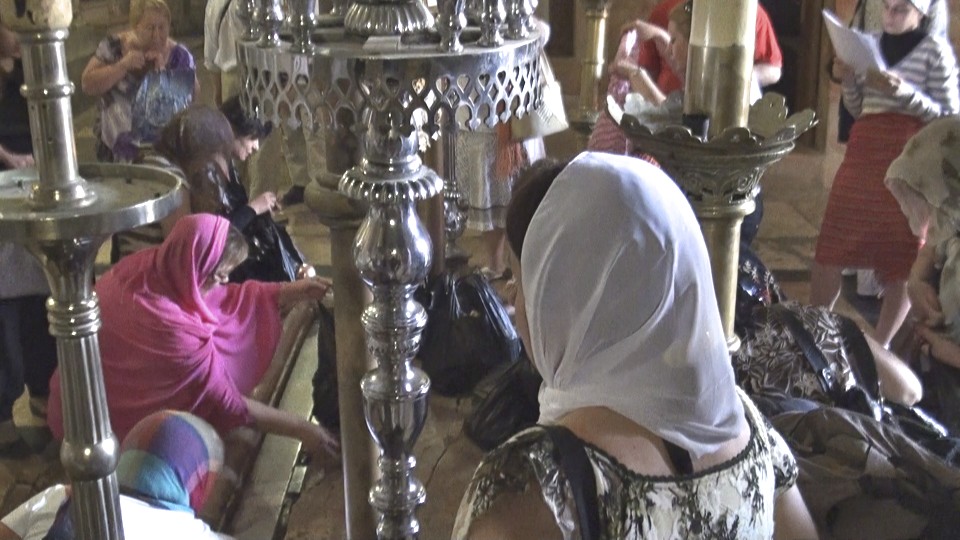
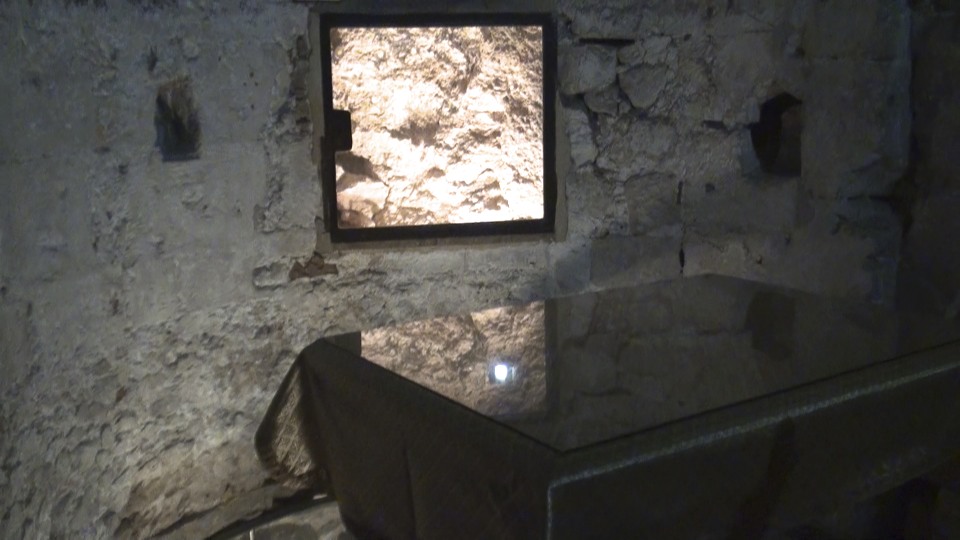
Cyril preached and celebrated the liturgy in the Church of the Holy Sepulcher, built by the Emperor Constantine and his mother, Helena, over the tomb of Jesus and the place where he died. The church still stands in Jerusalem today.
St, Cyril and the church of Jerusalem are remembered, appropriately on March 18, usually during Lent.
Here’s an excerpt from one of Cyril’s catechetical sermons, preached in the Church of the Holy Sepulcher, where the relic of the cross and the tomb of Jesus were honored. Siloam, the pool where the blind man was cured, Bethany where Lazarus was raised, the precious relic of the cross were not far away, they were nearly, easily seen and visited.
“The Catholic Church glories in every deed of Christ. Her supreme glory, however, is the cross. Well aware of this, Paul says: God forbid that I glory in anything but the cross of our Lord Jesus Christ!
“At Siloam, there was a sense of wonder, and rightly so: a man born blind recovered his sight. But of what importance is this, when there are so many blind people in the world? Lazarus rose from the dead, but even this affected only Lazarus: what of those countless numbers who have died because of their sins? Those miraculous loaves fed five thousand people; yet this is a small number compared to those all over the world who were starved by ignorance. After eighteen years a woman was freed from the bondage of Satan; but are we not all shackled by the chains of our own sins?
For us all, however, the cross is the crown of victory. It has brought light to those blinded by ignorance. It has released those enslaved by sin. Indeed, it has redeemed the whole of mankind!”
The relic of the cross, rescued from the refuse of Calvary, honored by Cyril in the Jerusalem church. was not just a grim reminder of the suffering of Jesus; Encased in gold, it was bathed in the glorious memory of Jesus’ resurrection celebrated close by in his empty tomb.
For Morning and Evening Prayers today, 4th week.

 The Victor's Place