Why Weren’t You Here?

On Holy Saturday the psalms and readings of Tenebrae dwell on the mystery of death. Psalm 6 offers that great promise  “My soul is glad, even my body shall rest in safety, for you will not leave my soul among the dead, or let your beloved know decay.”(Psalm 6)

The promise extends to creation itself, as we hear especially in the homily for Holy Saturday. Jesus goes down to the realms of death and brings redemption. Jesus does not rise alone, but humanity and creation rise with him.

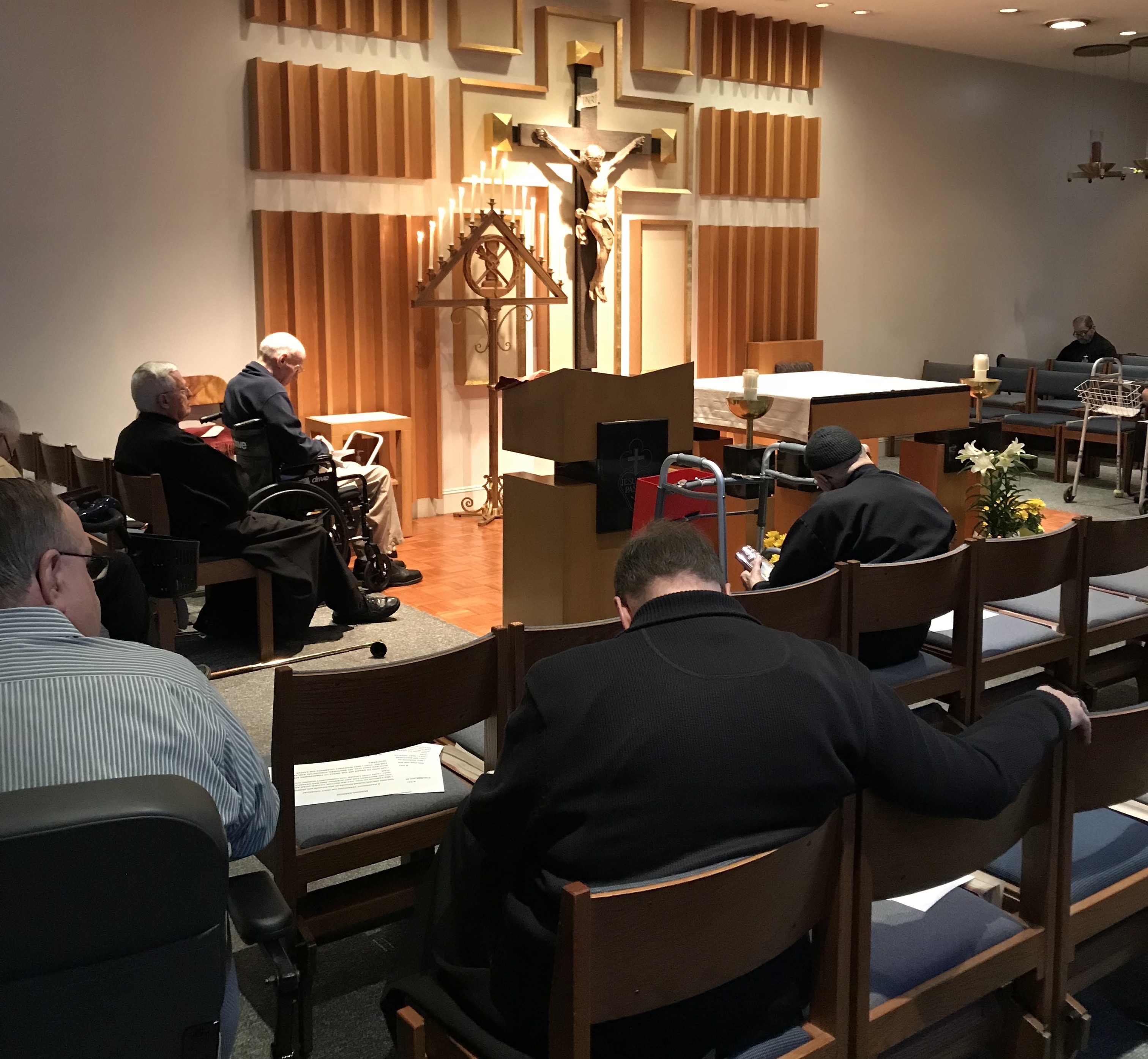
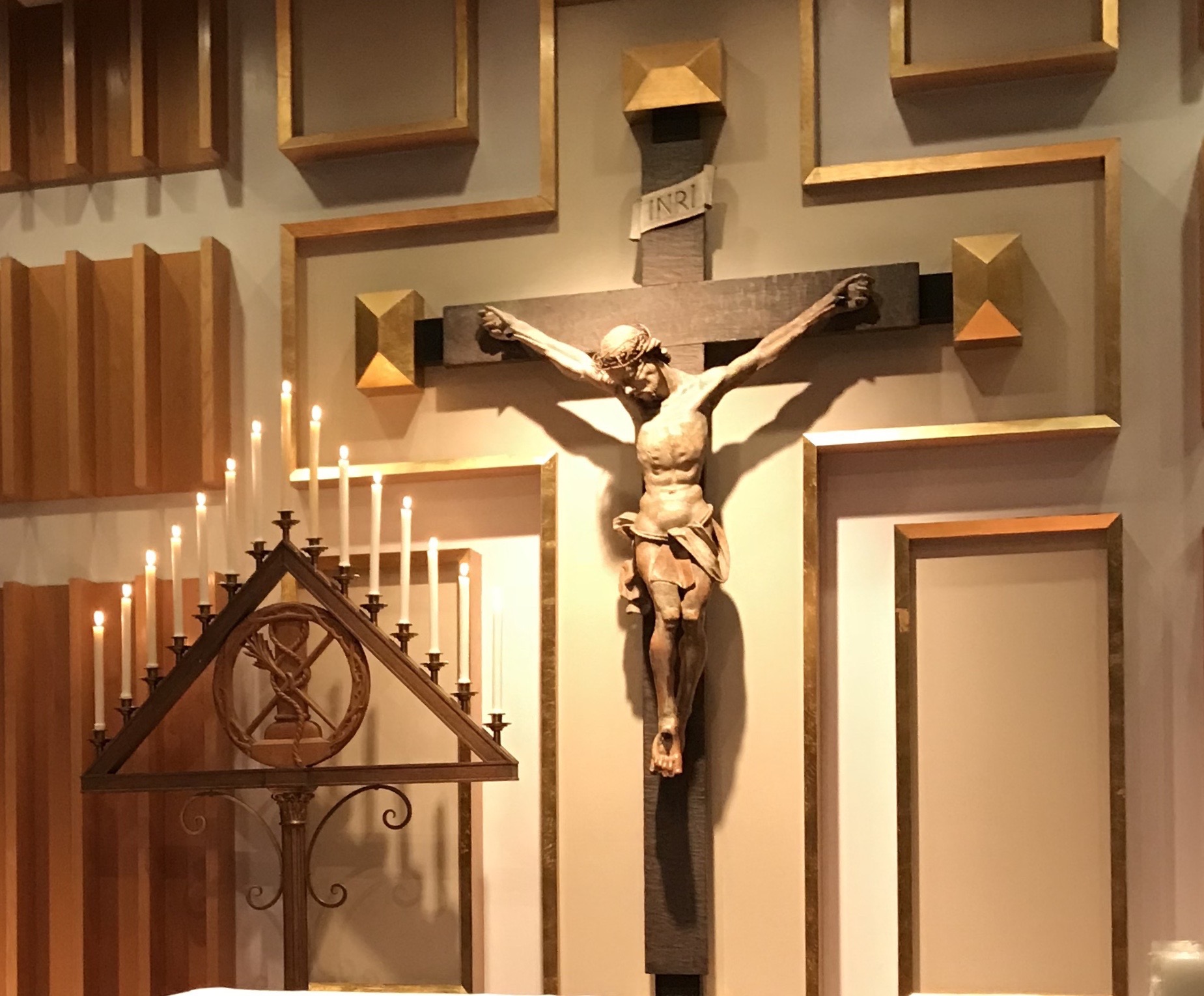
The candles at Tenebrae lead to another reflection. The 15 candles stand for Jesus, his twelve apostles and the two disciples from Emmaus. As 14 candles are extinquished, we remember those who left him on Good Friday and fled. 

Mary, the mother of Jesus, is not represented in the Tenebrae candles. She was there on Good Friday, but she is not among those our candles represent. Where did she go after his death and burial on Good Friday?  Where was she on Holy Saturday?

It’s likely she went back to Bethany, the place where Jesus and his followers stayed during the feasts, among friends, the gospels seem to indicate. Martha, Mary and Lazarus were there.

It’s also likely Lazarus, raised from the dead offered her hope. But his death was so unlike that of her Son. Lazarus died of some sickness. Jesus was brutally put to death.  

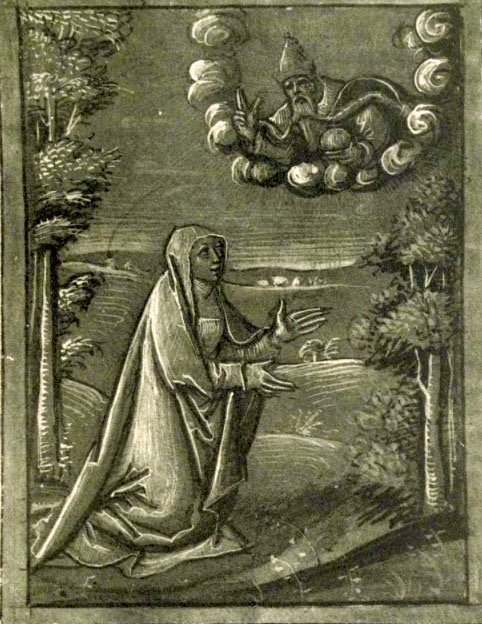
Would Mary have the same questions of God that Martha had of Jesus? Why weren’t you here? This was a day the piercing sword foretold by Simeon the temple struck most deeply into her heart. This was a day her faith was fiercely tried.

In our calendars, Saturday is a day we remember Mary. We remember her today. She asked the great questions of life. “How can this be?” She asked the angel who announced the coming of Jesus to her. “How can this be” she must have asked at his death.

And so we pray to her  and ask her to “pray for us sinners now and at the hour of our death. “

“How can I describe you, to what can I compare you, virgin daughter of Sion?Huge as the sea is your aflliction, who can take it away? ” (Lamentations)

Through her heart his sorrow sharing 
all his bitter anguish bearing           
Now at length the sword has passed.
Can the human heart refrain.       
From partaking of her pain.              
 In that Mother’s pain untold?
Holy Mother, pierce me through, 
in my heart each wound renew 
of my Savior crucified.
Tenebrae

Tenebrae is an ancient Holy Week service celebrated on Holy Thursday, Good Friday and Holy Saturday. Tenebrae, a latin word, means darkness, but the 15 lighted candles at the heart of this service say that darkness never has its way. The 15 candles stand for Jesus, his twelve disciples and the two disciples who leave Jerusalem for Emmaus after Jesus’ death, having lost all hope.

In the Tenebrae service, the candles are extinguished one by one, as the scriptures are read. His disciples leave him, one betrays him. Jesus goes to death alone, but his light remains burning.

Psalm 69 is read at Tenebrae on Holy Thursday:

“I have become an outcast to my brothers,
a stranger to my mother’s sons,
because zeal for your house consumes me,
and the insults of those who blaspheme you fall upon me.”

On Holy Thursday Jesus leaves Bethany with his disciples to celebrate the Passover feast in the evening in an upper room in Jerusalem near the temple. At the table he tells them their faith will be shaken and they will leave him.

The Tenebrae readings tell us  Jesus is our great high priest whose love never fails:

“We have a great high priest who has passed through the heavens, Jesus, the Son of God, let us hold fast to our confession. For we do not have a high priest who is unable to sympathize with our weaknesses, but one who has similarly been tested in every way, yet without sin. So let us confidently approach the throne of grace to receive mercy and to find grace for timely help.”
(Hebrews 4, 14-16)

These days of Holy Week we approach “the throne of grace to receive mercy and find grace for timely help.”

A final reading on Holy Thursday from an Easter homily by St. Melito of Sardis reminds us: “He is the one who brought us out of darkness into light, out of slavery into freedom, out of death into life, and made us a people chosen to be his own. He is the Passover which is our salvation.”

We celebrated Tenebrae  Holy Thursday, Good Friday and Holy Saturday at Immaculate Conception Monastery in Jamaica, New York.

I haven’t found much on the history of Tenebrae, except indications that the prayer began in monastic circles early on. My guess is that it developed from a pastoral need. During the days of Holy Week more people must have come to monasteries to pray as  work was somewhat lessened–unlike our time when we work, feast days or not. Did the monks decide to make some accomodation to their daily office for their visitors?  

The celebration has candles, extinguished as the psalms and other scriptures are read. Everyone understands candles. The psalms are favored sources for understanding the mystery of the passion and resurrection of Jesus in monastic prayer, but they’re not easily appreciated. 

The psalm prayers and captions from St. Augustine and other saints in the church’s morning and evening prayer today are meant to help people appreciate their Christian meaning. 

So can Tenebrae still be a creative prayer form during Holy Week?  I think so. 

Palm Sunday

For this week’s homily please watch the video below.

I like the way Andrew of Crete describes Jesus’ entrance into Jerusalem today as his enters the “dark regions” of our fallen world where so much evil dwells, especially sin and death. “Let our souls take the place of the welcoming branches” strewn before the Lord, the saint tells us, and humbly take part in his journey, with the children who cried out: “Blessed is he who comes in the name of the Lord.” (Office of Readings, Palm Sunday)

Why not take the palm blessed in church today and put it on a cross in your homes as your symbolic welcome of this great mystery.

We’re not spectators in this story. Instead, we are invited into it. Our involvement is more than just listening or going  to church services. Our involvement should change us.

Think of those who were changed that day by their experience of the passion of Christ. There was Simon of Cyrene, who came from work in the fields hardly expecting to be caught up in a stranger’s tragedy. Yet, he saw God in the suffering man whose cross he helped bear. Can we, who often enough ignore the sufferings of others, become more aware of what others are going through and walk at their side? If we do, we heard this story.

There was the thief crucified with Jesus. He’s called a “revolutionary” in one of a translations today. How about a “terrorist,” or any term that describes the lowlife of society. He cried out in the dark for forgiveness and was heard. Can we believe in a God so merciful that he can forgive us, that he can forgive anybody, caught in a life of failure and sin? 

This is a story meant to give hope to those who don’t believe they are any good at all. If we can believe in mercy so great, then we have heard this story. 

There was Joseph of Aramithea who bravely goes to the powerful Roman Procurator Pontius Pilate to ask for the body of Jesus to bury it. Before this he seems a wishy-washy religious leader. If we find ourselves less cowardly in speaking up to the powerful of our own world, then we have heard this story. 

“My God, My God, why have you forsaken me?” How easily we fall into believing our world forsaken, that God is nowhere near us! If we can believe God’s care never fails, not matter what, then we have heard this story.

Mary, his mother, and the holy women, the disciple John, and yes, Peter and others who deserted him were there that day. What they experienced then, they never forgot. They remembered the raw suffering, the cruel death, the unmeasured sadness. But they saw God’s love in the One who was arrested and condemned, who was crucified under Pontius Pilate and who rose again on the third day. 

If we too are touched by the overwhelming love of God we see here, then we have heard this story.

Finally, this story does not end in a tomb. Death itself, the mystery we all face, is conquered when Jesus rises from the dead. When we hope we will live in him who died and rose again, we have heard this story.

Listen to this story this holy week. The Lord speaks  “with a well-trained tongue, a word to the weary that will rouse them.”

This week God speaks. Let’s listen.

Feasts and Daily Prayers

As we read extensively from John’s gospel these last weeks of Lent, we wonder why his gospel, unlike the synoptic gospels, has much of Jesus’ ministry take place in Jerusalem during the Jewish feasts of the Sabbath,  Pentecost, Tabernacles and the Dedication of the Temple. (John 5:1-10:32)  During the celebration of the Passover–John11:1-20:29 –  John presents Jesus fulfilling the feast in his passion, death and resurrection. 

Feasts were special signs of God’s presence for the Jews and so they were appropriate signs for the Word of God to make himself known.

Commentators also say that the Jewish-Christian communities John writes for, like their Jewish neighbors, were struggling to stabilize their way of worship after Jerusalem and the temple were destroyed in 70 AD, causing a critical disruption in their life of prayer.

Can we say that John’s Gospel wishes to affirm the celebration of feasts in his communities, beginning with the Sabbath? Jesus appears on this day to his disciples, even to doubting disciples like Thomas, and renews them in faith.  

It seems to me we are experiencing as a church today a similar disruption in our life of prayer, due to the steady trend of secularization and events like the Covid pandemic. Our days are becoming faithless. We need to redeem them from becoming insignificant, beginning with the Sabbath. 

Besides Sunday– if we can take a clue from John’s Gospel– we need to make our everyday calendar a sign of God’s presence. That’s why I post a calendar on this blog every month.

“Lazarus, Come Out!”

photo


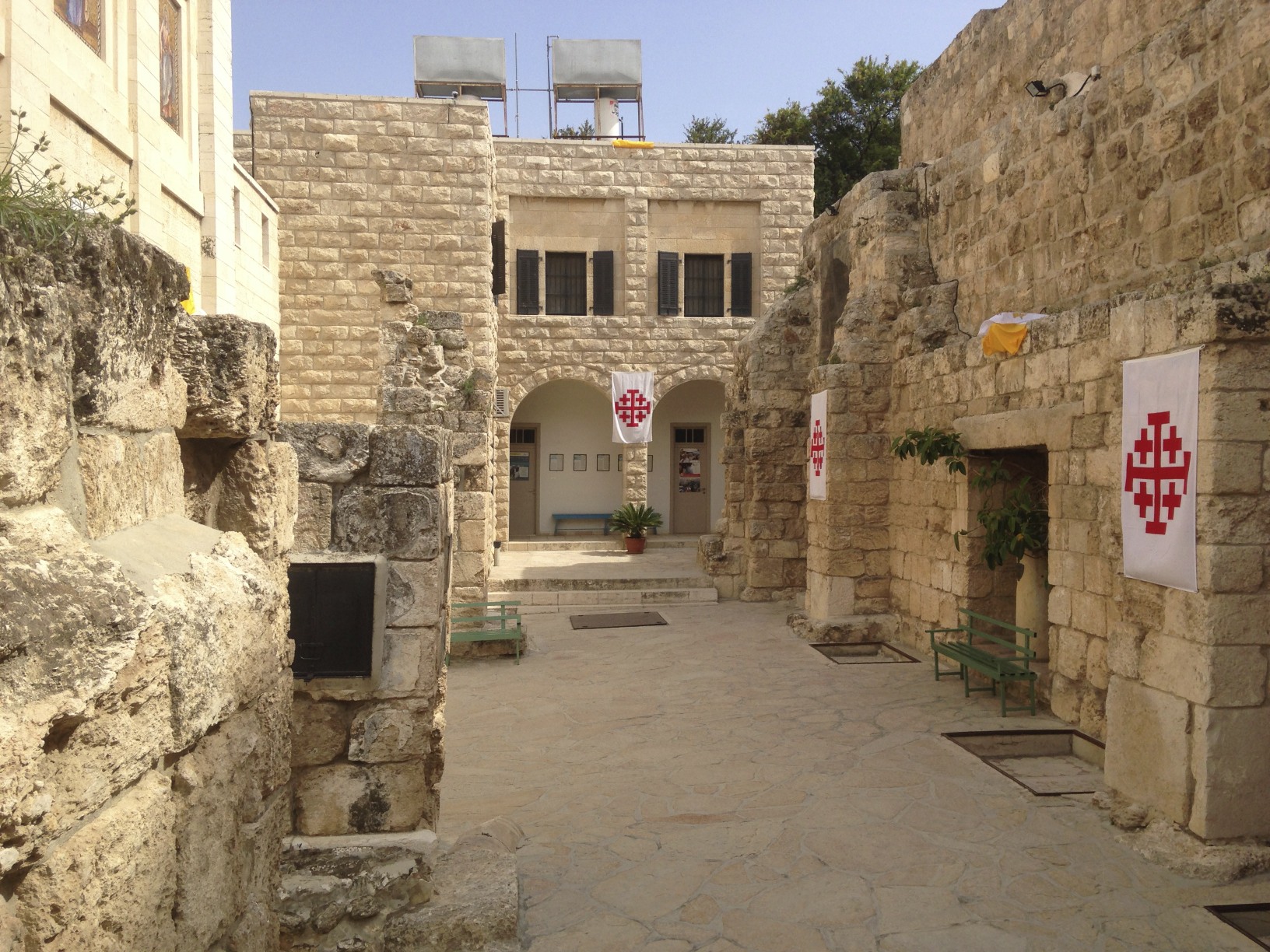
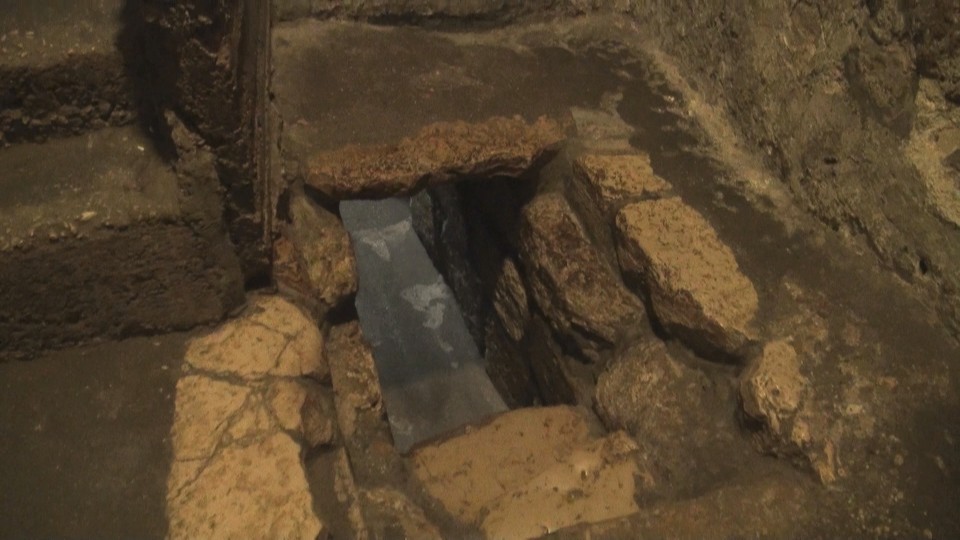
The tomb of Lazarus is only a short distance from the Passionist Retreat House in Bethany, but the Israeli security wall prevents you from going directly there.  In 2014, when I visited there, you had to take a taxi and travel ten miles to the check point to get to this important sign in John’s gospel, pointing to the power of Jesus to give life to the dead.

The Franciscan church adjacent to the shrine is beautiful. Ruins of the ancient Byzantine church lie next to it. Martha and Mary, Lazarus their brother, are all remembered pictorially in the new church.

IMG_0450

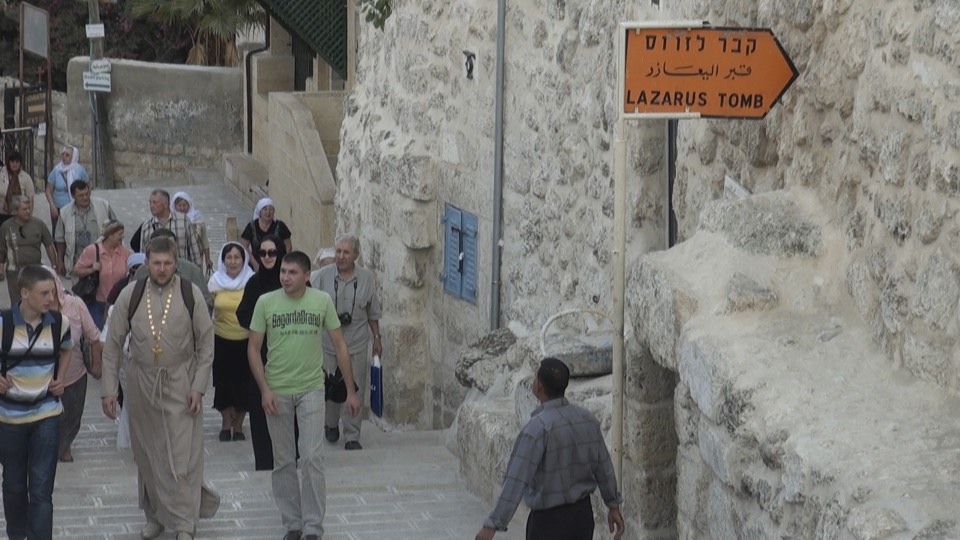
As I approached the tomb in 2014  a group of about 30 pilgrims with their priest was  ahead of me. They were obviously from Eastern Europe and  I guessed they might have been from the Ukraine or Lithuania or Russia. I stayed outside as they went down into the tomb.  

 During the 2nd World War over 40 million people were killed by Hitler and Stalin in what’s been called “The Bloodlands,”  parts of Eastern Europe that were fought over so viciously. That part of the world is “The Bloodlands” again. Were these people going down to the tomb from that part of the world, bringing memories of  “The Bloodlands,” I wondered? 

They started to sing in harmony a beautiful eastern chant and the haunting, glorious music came up from the dark cavern below. Lazarus was being celebrated again and his tomb rang with their joyful song.

The dark tomb was still ringing with their singing when I went in.  A joyful song from a tomb. That’s the powerful message from our gospel today which prepares us for the life-giving death of Jesus. “Lazarus, come out!” A promise to us all.

DSC00328
Bethany Lazarus

5th Sunday of Lent: Lazarus

For this week’s homily please watch the video below.

Some years ago I visited Bethany where Lazarus was raised from the dead. My community, the Passionists, has a retreat house there, called appropriately, St. Martha. I visited the tomb of  Lazarus, which is not far from there. As I approached there was a group of about 30 pilgrims with their priest ahead of me. They were obviously  from Eastern Europe.  I guessed they might have been from the Ukraine or Lithuania or Russia. I stayed outside as they went down into the tomb.  

 During the 2nd World War over 40 million people were killed by Hitler and Stalin in what’s been called “The Bloodlands,”  parts of Eastern Europe that were fought over so viciously. That part of the world is “The Bloodlands” again. Were these people going down to the tomb from that part of the world, bringing memories of  “The Bloodlands,” I wondered? 

They started to sing in harmony their beautiful eastern chants and the haunting, glorious music came up from the dark cavern below. Lazarus was being celebrated again and his tomb rang with their joyful song.

The dark tomb was still ringing with their singing when I went in.  A joyful song from a tomb. That’s the powerful message from our gospel today which prepares us for the life-giving death of Jesus. “Lazarus, come out!” A promise to us.

The Sorrows of Mary

The Sorrowful Mother, El Greco

Jesus was born of Mary. She was his mother, and she also was his disciple when he began his mission. From the time the angel spoke to her in Nazareth, a sword pierced her heart. 

“How can this be?” Mary asked the angel who announced his birth. It would not be the last time she asked that question. Mary did not know what lay ahead. She could only trust, and trust is hard when you face the unknown as she did.

Tradition describes seven of Mary’s sorrows: The Prophecy of Simeon (Luke 2:34-35) The Flight into Egypt (Matthew 2:13-21 The Loss of Jesus for Three Days (Luke 2:41-50) The Carrying of the Cross (John 19:17) The Crucifixion of Jesus (John 19:18-30) Jesus Taken Down from the Cross (John 19:39-40) The Burial of Jesus. (John 41-42)

“Your own soul a sword shall pierce, “ the old man Simeon told her in the Temple as he held her newborn Son in his arms. His prophecy was fulfilled in the events of Jesus’ birth. The poor stable he was born in was hardly something Mary would have wanted. Exile in Egypt, with the threats and deaths that took place, was hardly something she ever planned for. When Jesus at twelve years stayed behind in the temple after a Passover celebration, it was a sign of his future mission, but what would Mary, his mother, know of that? She only knew then what it meant to lose him.

And what was Nazareth like? The Jews who settled in the mountain villages of Galilee were strong believers that God’s kingdom would come as the prophets promised. How would it come? The mother of James and John – relatives of Jesus and Mary– believed it would come through a powerful revolution; they were willing to fight for it. Even before Jesus rose in the synagogue at Nazareth to proclaim his mission, Mary knew that would not to be his way. His rejections caused her sorrow.

Luke says that Mary, his mother “ kept all these things in her heart.“ (Luke 2:51) She remembered sorrows as well as joys.

The last four of Mary’s sorrows came when the sword of Jesus’ Passion pierced her heart. She followed her Son to Jerusalem with the others and was there when he was arrested and sentenced. She stood at the cross when he died; she took part in his burial in a garden tomb. 

Some of this information we have from the gospels, some from tradition. The Stations of the Cross presents Mary meeting her Son as he went to Calvary carrying his cross; she then held him in her arms as he was taken down from the Cross.

Tradition is a general word. The gospels rest on multiple sources.Is one of them, perhaps the most important source – Mary, who “kept these things in her heart.” How much of what we have in the gospels and from tradition are her memories?

Devotion to the Seven Sorrows, like the Stations of the Cross, is a meditational prayer. Words and pictures lead us to reflect and imagine the mystery of God found in Mary’s sorrows. They lead us on to the mystery of the Passion and Resurrection of Jesus.

2nd Week of Lent: Readings and Feasts

MARCH 6 Mon Lenten Weekday

Dn 9:4b-10/Lk 6:36-38 

7 Tue Lenten Weekday [Sts Perpetua and Felicity, Martyrs] Is 1:10, 16-20/Mt 23:1-12 

8 Wed Lenten Weekday [St John of God, Religious] Jer 18:18-20/Mt 20:17-28 

9 Thu Lenten Weekday [St Frances of Rome, Religious] Jer 17:5-10/Lk 16:19-31 

10 Fri Lenten Weekday Gn 37:3-4, 12-13a, 17b-28a/Mt 21:33-43, 45-46 

11 Sat Lenten Weekday Mi 7:14-15, 18-20/Lk 15:1-3, 11-32 

12 SUN 3rd SUNDAY OF LENT Ex 17:3-7/Rom 5:1-2, 5-8/Jn 4:5-42

Our readings for this week, beginning with the Old Testament reading from Isaiah, proclaim the mercy of God. The New Testament readings on Monday, Thursday and Saturday are from St. Luke– a gospel of mercy. Jesus proclaims God’s mercy, especially extended to the poor. The story of the Prodigal Son, Luke’s great parable of God’s mercy, is read on Saturday,

Matthew’s Gospel for Wednesday reminds us that temptations about power, so obvious in the story of Jesus’ temptations, also occur in his disciples, like James and John. Can we see it too in the elder brother from the Parable of the Prodigal Son?

The readings from the Old and New Testaments complement each other during Lent. Celebrations of the saints are fewer and often become optional memorials, as is the case of the saints this week. .

The mercy Jesus calls for is not just acceptable or normal;  it’s Godlike. Can any of us be as merciful as God?  But there’s no watering down the challenging, radical words we hear in our lenten readings.

Lent’s not meant to make us comfortable; it sets our sights on loving more, and it sets the bar higher than we like. Like the Olympic games, lent calls for our best, and more. A bigger prize than a gold medal is at stake.

2nd Sunday of Lent a: The Transfiguration of Jesus

For this week’s homily please watch the video below.

“The Lord reveals his glory in the presence of chosen witnesses. His body is like that of the rest of mankind, but he makes it shine with such splendour that his face becomes like the sun in glory, and his garments as white as snow.

  The great reason for this transfiguration was to remove the scandal of the cross from the hearts of his disciples, and to prevent the humiliation of his voluntary suffering from disturbing the faith of those who had witnessed the surpassing glory that lay concealed.

  With no less forethought he was also providing a firm foundation for the hope of holy Church. The whole body of Christ was to understand the kind of transformation that it would receive as his gift: the members of that body were to look forward to a share in that glory which first blazed out in Christ their head.

  The Lord had himself spoken of this when he foretold the splendour of his coming: Then the just will shine like the sun in the kingdom of their Father. Saint Paul the apostle bore witness to this same truth when he said: I consider that the sufferings of the present time are not to be compared to the future glory that is to be revealed in us. In another place he says: You are dead, and your life is hidden with Christ in God. When Christ, your life, is revealed, then you also will be revealed with him in glory.

  This marvel of the transfiguration contains another lesson for the apostles, to strengthen them and lead them into the fullness of knowledge. Moses and Elijah, the law and the prophets, appeared with the Lord in conversation with him. This was in order to fulfil exactly, through the presence of these five men, the text which says: Before two or three witnesses every word is ratified. What word could be more firmly established, more securely based, than the word which is proclaimed by the trumpets of both old and new testaments, sounding in harmony, and by the utterances of ancient prophecy and the teaching of the Gospel, in full agreement with each other?” (St. Leo the Great )