Tag Archives: Passionists

Looking for a Guide?

Look to Jesus Christ, St. John of the Cross writes:

“Therefore if someone were now to ask questions of God or seek any vision or revelation, he would not only be acting foolishly but would be committing an offence against God – for he should set his eyes altogether upon Christ and seek nothing beyond Christ.

God might answer him after this manner, saying: This is My beloved Son, in whom I am well pleased; listen to him. I have spoken all things to you in my Word. Set your eyes on him alone, for in him I have spoken and revealed to you all things, and in him you shall find more than you ask for, even more than you want.

I descended upon him with my Spirit on Mount Tabor and said This is My beloved Son, in whom I am well pleased; listen to him. You have no reason to ask for new teaching or new answers from me because if I spoke to you in the past then it was to promise Christ. If people asked questions of me in the past then their questions were really a desire of Christ and a hope for his coming. For in him they were to find all good things, as has now been revealed in the teaching of the Evangelists and the Apostles. “ (Ascent to Mount Carmel)


Where’s John the Baptist preaching today?

Where are our John the Baptists today? I was watching Fr. Corapi on television last night on EWTN, preaching before a large appreciative audience. His talk was about Why Catholics Leave the Church. They leave because of pride, he said.

They don’t recognize the truth of the Church or the authority of the pope. By missing Mass and the sacraments they cut themselves off from sanctifying grace. Pride is their downfall.  Fr. Corapi comes down hard on “lousy” seminaries and liberal schools, Catholic and secular. His world is black and white; he doesn’t like grey.

In today’s readings, John the Baptist speaks from the wilderness and with sharp eyes looks at the world of his day. They come from Jerusalem and Judea, from everywhere to hear him. No one is excluded from his call to repent, not even himself.

He’s especially hard on the Pharisees and scribes who think they’re safely home:  “When he saw many of the Pharisees and Sadducees
 coming to his baptism, he said to them, “You brood of vipers!
Who warned you to flee from the coming wrath?
Produce good fruit as evidence of your repentance.
And do not presume to say to yourselves, 
‘We have Abraham as our father.’
For I tell you, 
God can raise up children to Abraham from these stones.”

When a John the Baptist preaches, no one is left out, including himself.  Try this one out as a John the Baptist sermon for today,


Monday Night at the Mission

St. Elizabeth Seton: a Saint of Wall Street

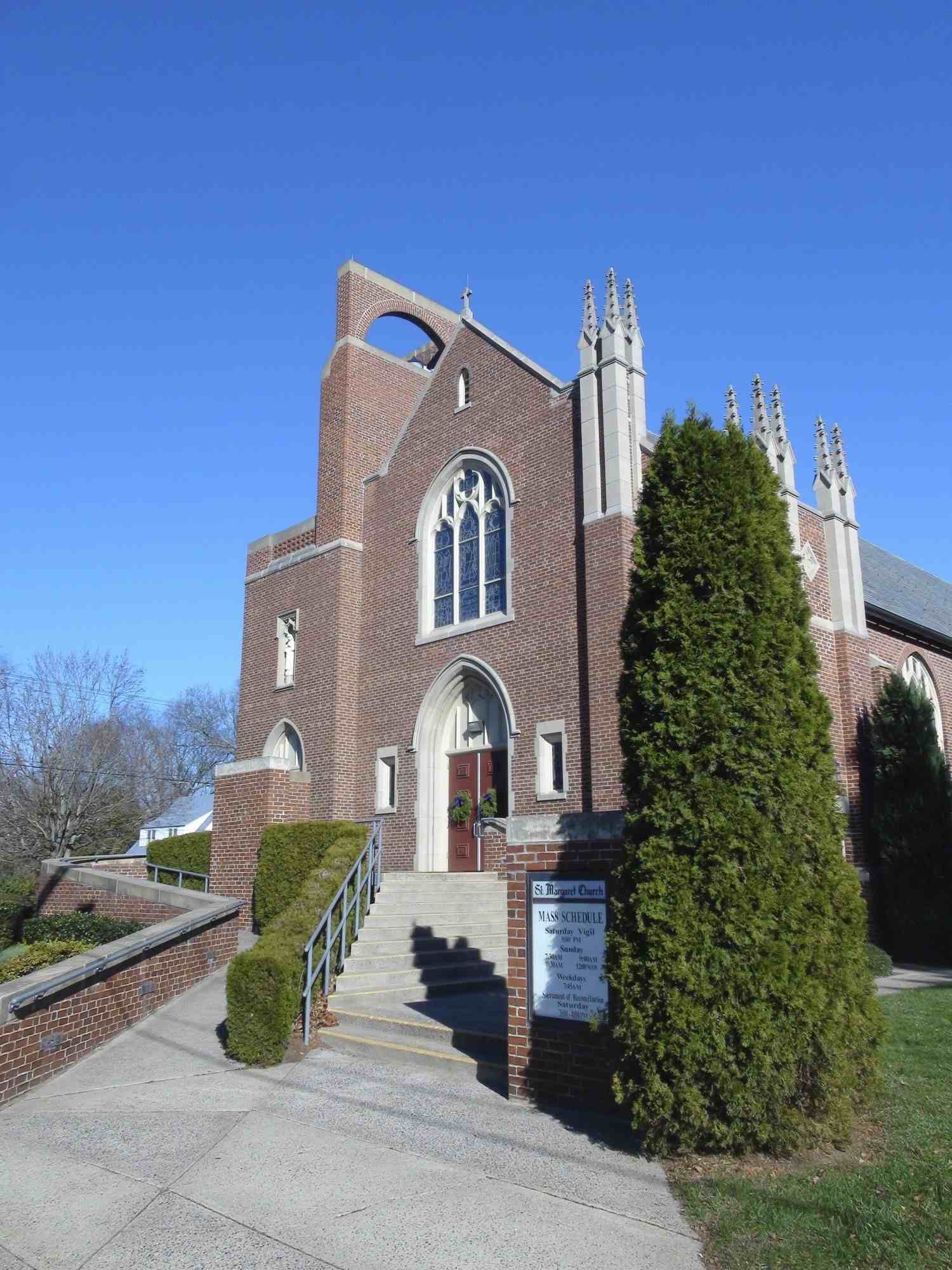
Why talk about Elizabeth Seton on the first night of our mission at St. Margaret’s Church? She’s an American saint who lived in a crucial period in our country’s history; she actually lived on Wall Street for awhile. She faced some of the things we face today in American society.

In her 46 years of life, she experienced many changes. As we face changes today, many similar to hers, we can learn from her to keep searching for God through them all.

Here’s a biography of Mother Seton: http://emmitsburg.net/setonshrine/

1. She tells us to seek God faithfully day by day.

The United States Catholic Catechism for Adults (pages 1-8) offers her as an example of the human quest for God. “You have made us for yourself, and our hearts are restless till they rest in you.” (Augustine, Confessions)

In her 46 years of life she experienced  loneliness in her youth, prosperity as a happily married woman with a good husband and five children,  suffering brought by financial loss and her husband’s death,

In her religious search, first as an Anglican, then as a Catholic she tried to serve God as well as she could.  She thirsted for God and sought to do his will.

Life changes  us too. We may face an unknown future, not only personally, but as a world and as a church. Elizabeth Seton says: seek God through these experiences.

2. She’s an example of finding God in the world you live in.

Elizabeth Seton was born into a privileged world. Her father, Richard Bayley (1744-1801), was a distinguished physician who taught medicine at Kings College, later Columbia University, and was first Health Officer of the Port of New York.

Dedicated to medicine and medical research, he traveled back and forth to England to learn the latest in his field. He was a health-care crusader, who fought against diseases like yellow fever that regularly infested the city, especially its vulnerable immigrant population.

Her husband William Seton was part of a family that made its fortune in banking and shipping. He was a classic American entepreneur. Elizabeth and her husband belonged to a world that included Alexander Hamilton and other members of the America’s elite. She enjoyed the cultural and social benefits status brought her.

William’s shipping interests gained the family a fortune, but shipping was a risky business and just as easily could collapse and bring financial disaster. In 1802, it did.

From great wealth the Setons were plunged into bankruptcy. Elizabeth supported  her husband, now failing in health, by taking him on a sea voyage to Italy to visit some business friends, the Filicchis, in Livorno.

Her husband died in the quarantine station in Livorno, with Elizabeth and her little daughter at his side; she was left a widow with no financial resources.

3. What spiritual resources did she draw upon?

A childhood loneliness led her to look to God for support. She found God in the beauties of nature, in the scriptures and in devotional books that brought her comfort.

The church that first supported her was Trinity Church in downtown New York City. The Bayleys and Setons were Anglicans, and Trinity Church, with its annex St. Paul’s Church, was the parish church of the city’s elite.

In her time the Anglican Church in America was strongly influenced by the Enlightenment, a movement that put its hopes in human reason and science.

By the later colonial period, writes Anglican historian, David L. Holmes “Following the lead of the left wing of the Enlightenment (of which Benjamin Franklin represents a prime example), large numbers of Anglican gentry came to believe that reason and science provided all-sufficient guides for believing in God and living morally; any special revelation that occurred through Scripture, they decided, was superfluous or in need of radical pruning. They were intent on returning humanity to a primitive natural religion consisting in belief in the existence of God and a simple morality.” (A Brief History of the Episcopal Church , Valley Forge, PA 1993 p 40)

Alexander Pope expressed the opinion famously:

Know thyself,

Presume not God to scan,

The proper study of mankind is man.

Elizabeth’s father and her husband were men of the Enlightenment, absorbed in their careers and their business. Revealed religion, prayer,  were not important to them.

Elizabeth said that the only time she heard her father mention the name of God was on his deathbed.  She complains that her husband Will never shared in her own religious insights, until he came to die in Italy.

The two men most dear to her belonged to the church, regularly attended its services, but saw it mainly as an institution for upholding moral principles rather than as a place of God’s revelation.

However, as a married woman,  in Trinity Church, Elizabeth’s spiritual life grew. A new assistant minister, John Henry Hobart, came to Trinity in 1800 and was part of a reforming movement that gradually influenced the Anglican church.  In the mid 1800’s it’s most prominent expression was the Oxford Movement, one of whose leaders was John Henry Newman.

Reverend Hobart led Elizabeth to a life of daily prayer, the reading of scripture, a devotion to Jesus Christ, and a life of charity, helping widows and orphans from Trinity church.

Today we still experience the effects of the Enlightenment. Commentators say we are living in an age of secularization. (Charles Taylor, An Age of Secularization, Harvard University, 2002) One of our greatest challenges today is to engage those who, like Richard Bayley and William Seton, are deeply involved in the world, but have little interest in any revelation of God or in church.

Elizabeth and Catholicism

After the death of her husband in Livorno the Filicchi family took Elizabeth and her little daughter into their home there and treated her with exquisite kindness. They were devout Catholics who knew their faith well and invited their American guests to church with them. The liturgy of the church was a revelation to Elizabeth, especially the Mass. She wrote home to a friend:

“How happy we would be, if we believed what these dear souls believe–that they possess God in the Sacrament, and that He remains in their churches and is carried to them when they are sick…O God! How happy I would be…if I could find You in the church as they do…”

The Catholic Church, which was only a poor tiny congregation in her native New York, suddenly became for her a place that revealed Jesus Christ.

When she returned to New York City, she decided, against the strong objections of her friends and family, to become a Catholic.

In his history of the Catholic Church in the United States, “A Faithful People” (2008) James O’Toole describes the Catholic Church that Elizabeth Seton entered in 1805 as a “priestless, popeless” congregation, held together by believers who kept the Catholic faith alive in their homes and through occasional visits from the few priests who had come to the New World.

It was a “popeless church” because the popes of the late 18th and early 19th century struggled under the crushing control of Europe’s monarchs and could pay little attention to the faithful at the far ends of the earth.

It is extraordinary that Elizabeth Seton would enter the Catholic Church in America at this time, which had few members, little status and was thought of largely as a suspect religion.

Can we in a declining American church today, as priests become fewer and parishes close, find her faith in the church an example?

After a few hard years as a Catholic in New York City, largely abandoned by family and friends, Elizabeth was invited by Bishop John Carroll to go to Maryland, where there were more Catholics to establish a school and support her family.

Elizabeth’s years in Maryland marked the beginning of a new period in American Catholic history. Not only did she establish a small school, but she began a community of religious women, the Sisters of Charity. Eventually her community, joined by others, would establish networks of schools, hospitals and social endeavors that became the backbone of the church in America.

As millions of Catholic immigrants arrived in America in the mid 1800’s  growing numbers of women religious welcomed them to the Catholic Church and formed the great immigrant church that became the face of Catholicism in America. American women religious were at the heart of a growing church. We owe them an enormous debt.

Elizabeth Seton invites us to look at our own role in the world we live in and in our church. She was a woman of prayer and she invites us to be people of prayer. So many of her decisions came through prayer. Ours must come through prayer too.

She reminds us that our quest for God takes place in the life and the world where God places us. We live in a secularized world; how do we engage it? We live in a changing church; how do we help it fulfill its divine destiny? As children of the church we must draw close to her .

This is our time to seek God.
Bethany, November 15

I arrived at the Passionist house of St Martha in Bethany, late this morning. Here’s where I am in gospel terms: “When they drew near Jerusalem and came to Bethphage on the Mount of Olives, Jesus sent two of his disciples, saying to them, ‘Go into the village opposite you, and immediately you will find an ass tethered, and a colt with her. Untie them and bring them to me. And if anyone should say anything to you, reply, ‘ The master has need of them. Then he will send them at once.”

(Mark 21, 1-9)

The gospel continues that the disciples did this and a large crowd welcomed him, some spreading their cloaks on the road, others cutting branches to strew before him.

“The crowds preceding him and those following  kept crying out and saying: ‘Hosanna to the Son of David, blessed is he who comes in the name of the Lord.’”

So here’s where Jesus started his Palm Sunday entrance into Jerusalem.  He knew this place well,  must have been a place where they  believed in him. In Bethany he was accepted, at least as “Son of David.”

As I traveled here, courtesy of Catholic Travel, the streets to Bethphage were crowded with Muslims getting ready for their major feast of Eid-Ul_Adha, the Feast of Sacrifice, celebrated for the next several days at the conclusion of the Hajj. The sacrifice celebrated is the Sacrifice by Abraham of his first born son Ishmael. It’s a joyful feast that calls Muslims to a spiritual awakening. Cf. http://www.religioustolerance.org/isl_feast.htm

We know too little about Muslims and their spirituality. The website cited above quotes an western newspaper account some years ago warning of terrorist attacks at the conclusion of this feast. It’s like predicting Christian terror attacks after our easter celebrations. The feast actually calls for forgiveness of enemies and peace with your neighbor. Presents given out and food for everyone, especially the poor.

You could hear a special call to celebration in the muzzim’s  call this evening to this Muslim neighborhood.

Our visitors from St. Marys all got off safe from the hotel early this morning; now they are winging their way home.

Let’s Go To Bethlehem

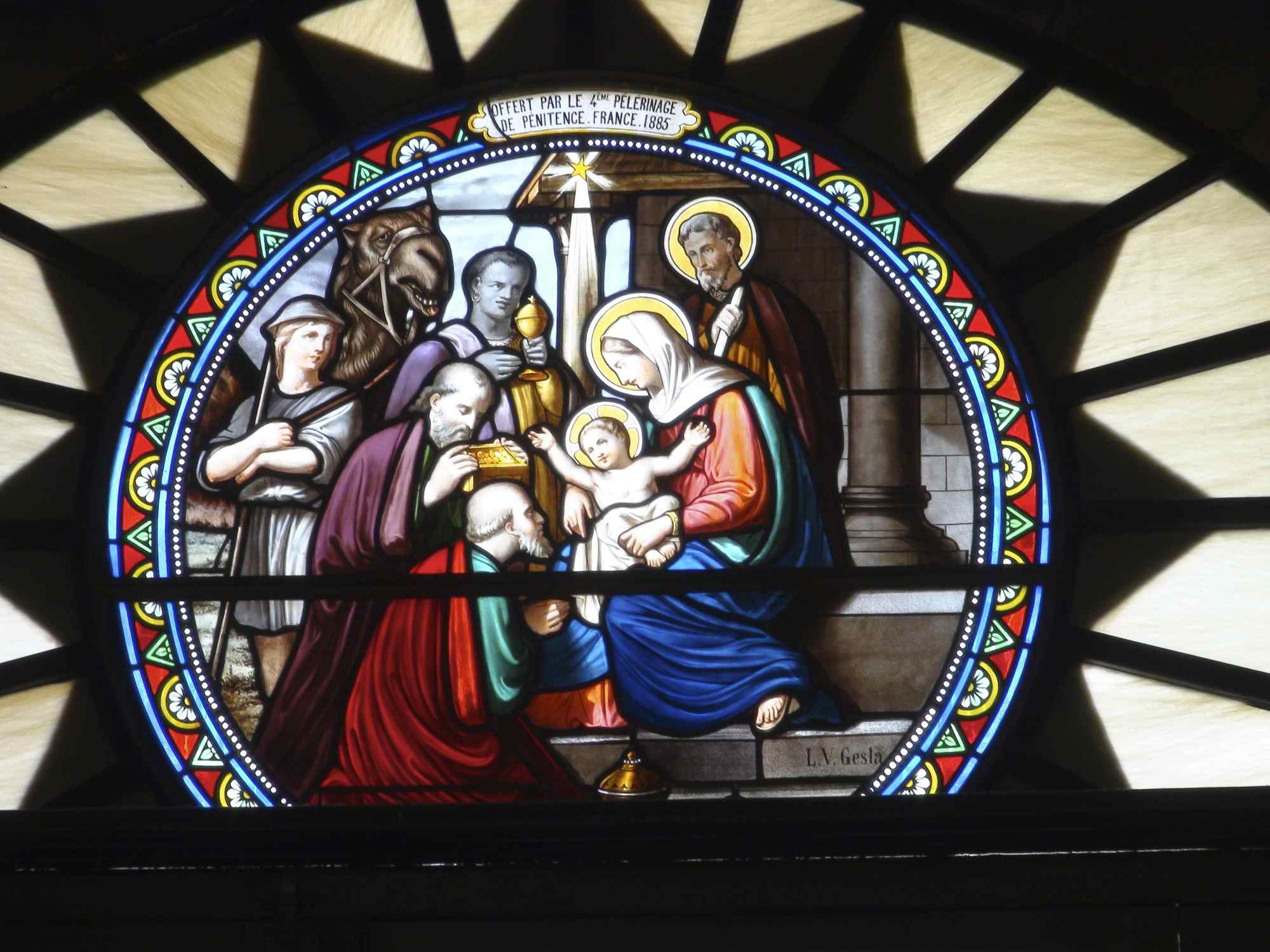
We started our visit to the Jerusalem area with a visit to Bethlehem where we had Mass at the beautiful little cave-chapel in the Franciscan site at Shepherds’ Field. We sang with the shepherds “Joy to the World” and read the Christmas story from Luke’s gospel.

There’s something about hearing that gospel there.

To get to the place we had to pass through the security wall and the Israeli checkpoint. When we left Bethlehem two young Israeli soldiers carrying guns boarded our bus at the checkpoint to take a look around.

Much building going on in the Bethlehem area. After Mass we headed for the ancient Church of the Nativity to visit the cave where tradition says Jesus was born. Long lines of people from many places waited to go down to the shrine. Here we are squeezed in with the Russians.

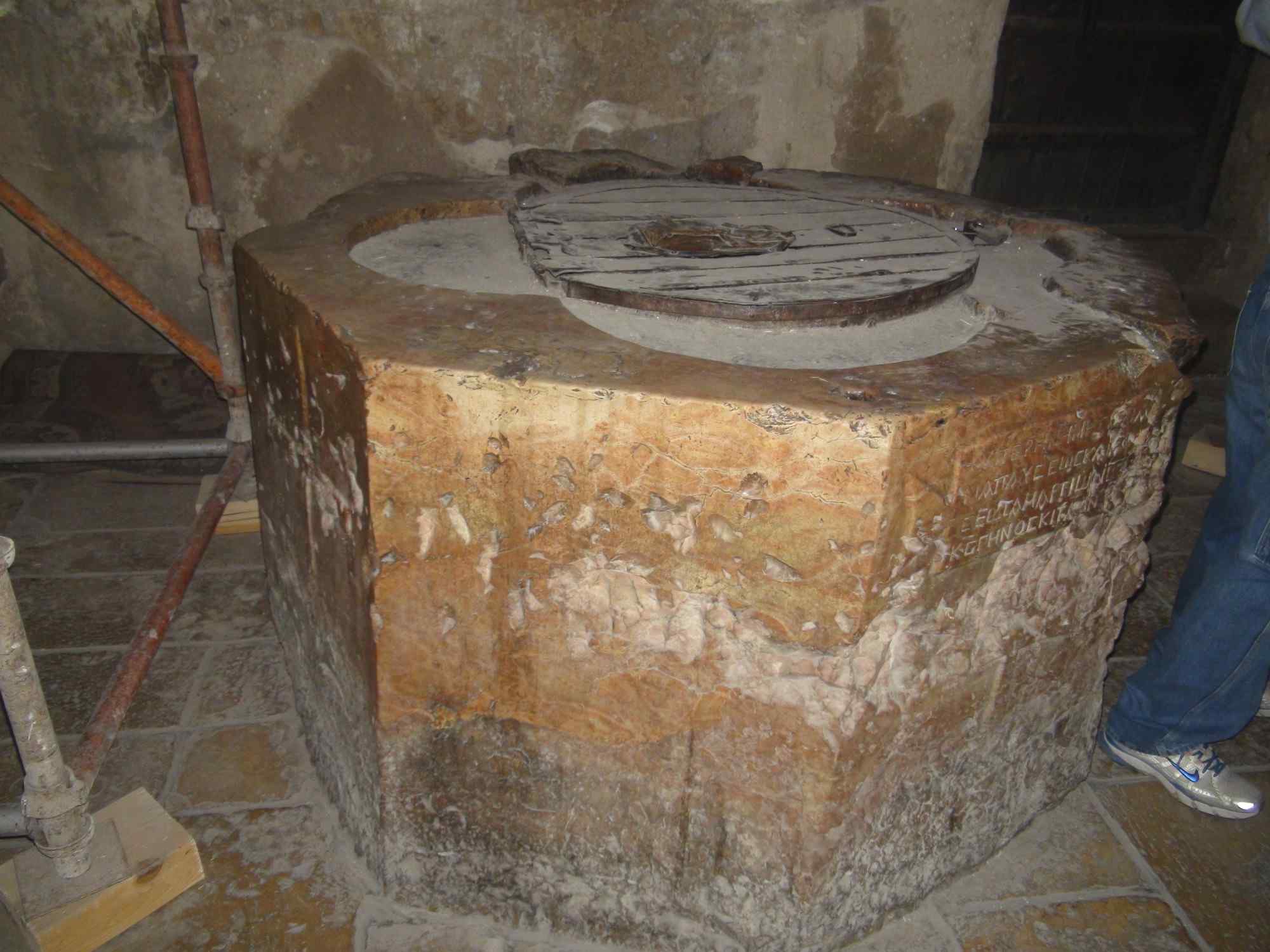
This is one of Christianity’s oldest churches. Renovations to the church are going on now, which I understand are being paid for by the Palestinian Authority. I found the baptismal fount which must go back at least to the 5th century. They’re probably going to do something with it.

After all these holy things there was nothing left to do but shop, which we did in a Bethlehem store that carried a profusion of religious gifts. Their stock on the Dow went up considerably after our visit.

If you ever wondered about the difference between men and women. The men were all  outside the shop waiting; then the women came out with their treasures.

Then, a lunch at a new place near the state museum. Finally, a visit to the Holy Land map at the museum which features Jerusalem as it was shortly after the time of Jesus. We made our weary way to see the exhibit on the Dead Sea Scrolls at the museum and headed back to the hotel.

Up to Jerusalem. November 10

Joseph said in the time of Jesus it would take a group of men about 7 days to get to Jerusalem from Tiberias; a family about 10 days. By bus we made it today in about 9 hours with stops at Mount Tabor, where we decided the wait was too long, so we just took some pictures of the mountain from a distance.

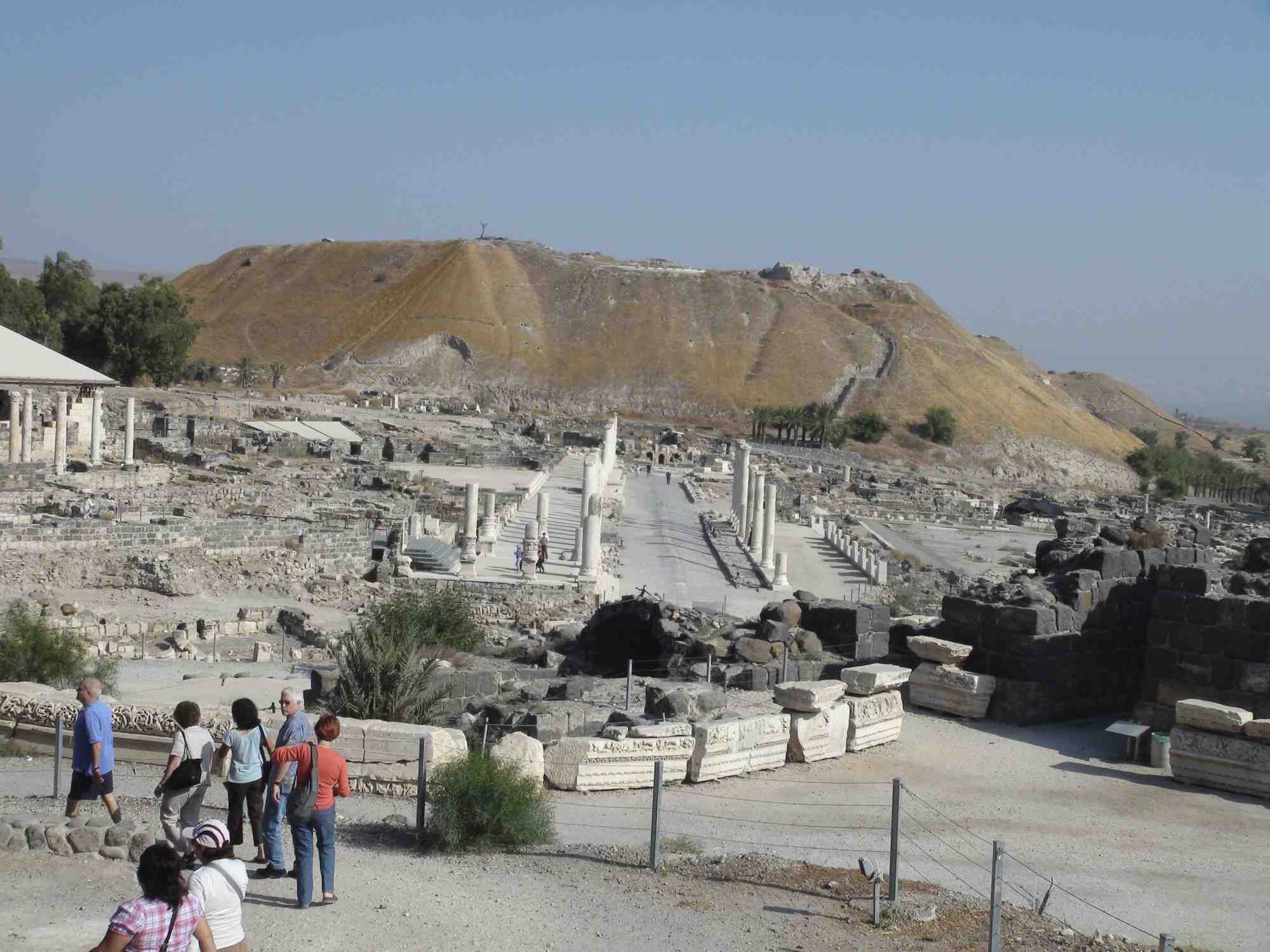
We made for Bet Shean, a Roman city built during the time of Jesus on the site of an older city. Our route was along the Jordan River, with barbed wire fences east of us.

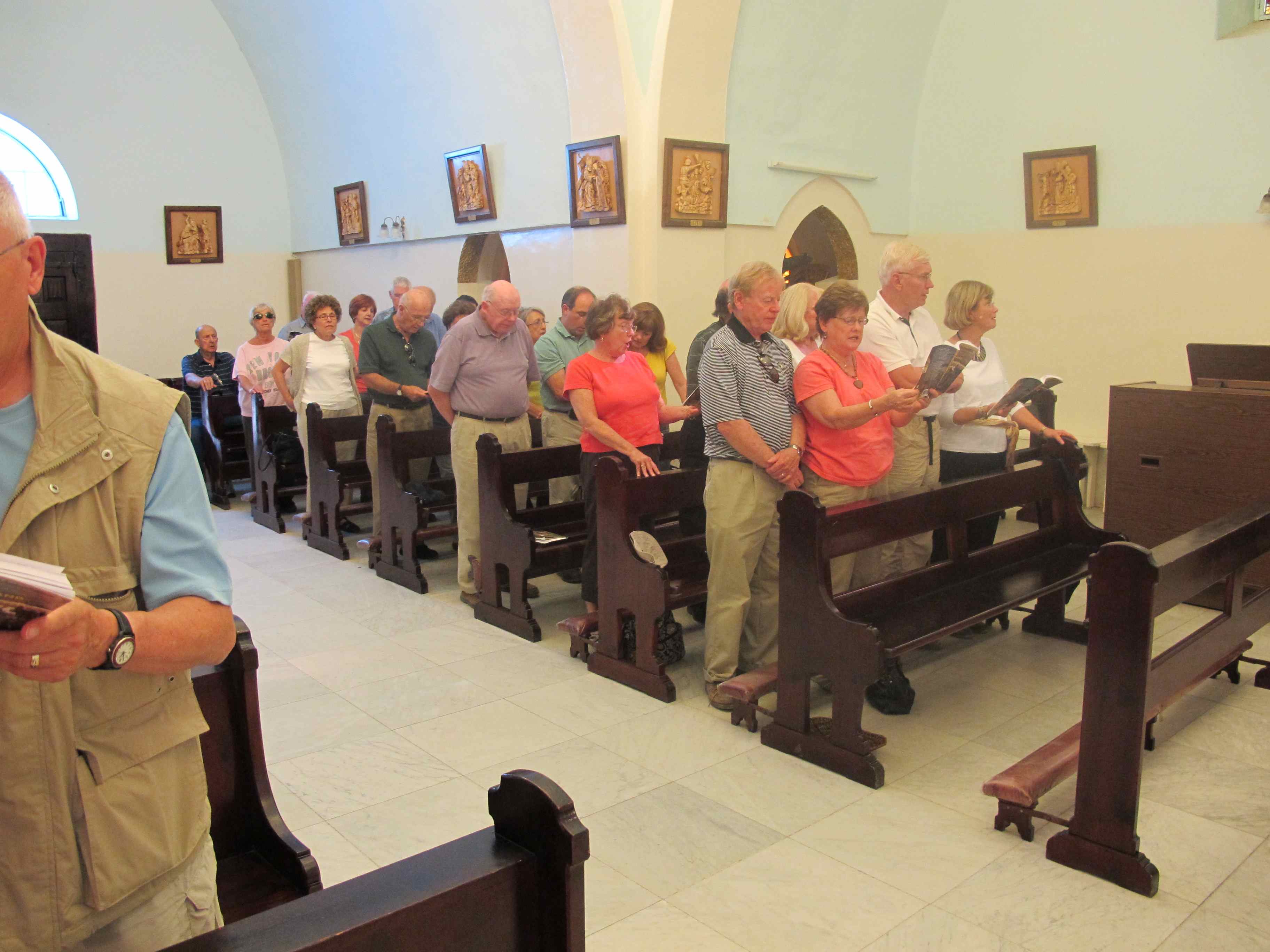
We had Mass around 12;30  at Jericho, Zacchaeus, the tax-collector’s town, in a little Catholic Church, Good Shepherd,  staffed by Franciscans. It’s also Joseph’s parish. There’s a Catholic school there with over 400 kids, the majority Muslims. Our group sang like angels, auditioning for the angelic choir tomorrow at Bethlehem.

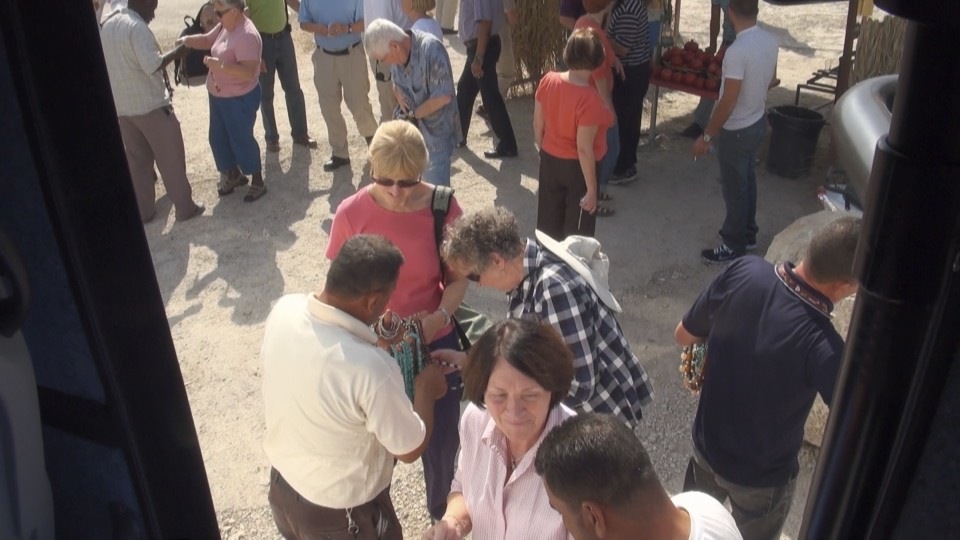
On the way to Jericho we had a lively experience of group haggling with some Jericho peddlars. I think the peddlars met some real competition from some New Jersey experts.

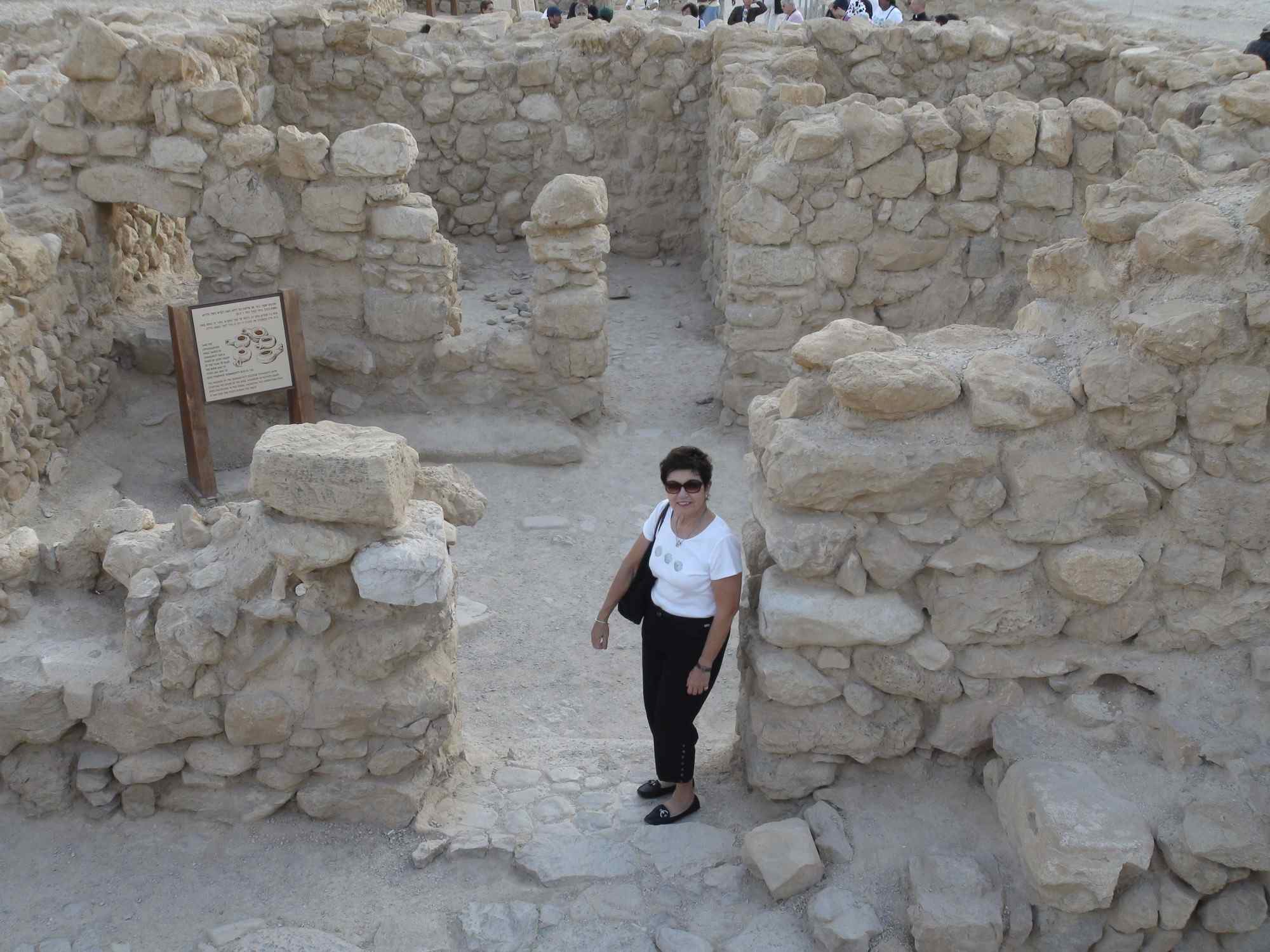
Then we went to the Qumran site along the Dead Sea where the Dead Sea Scrolls were found.

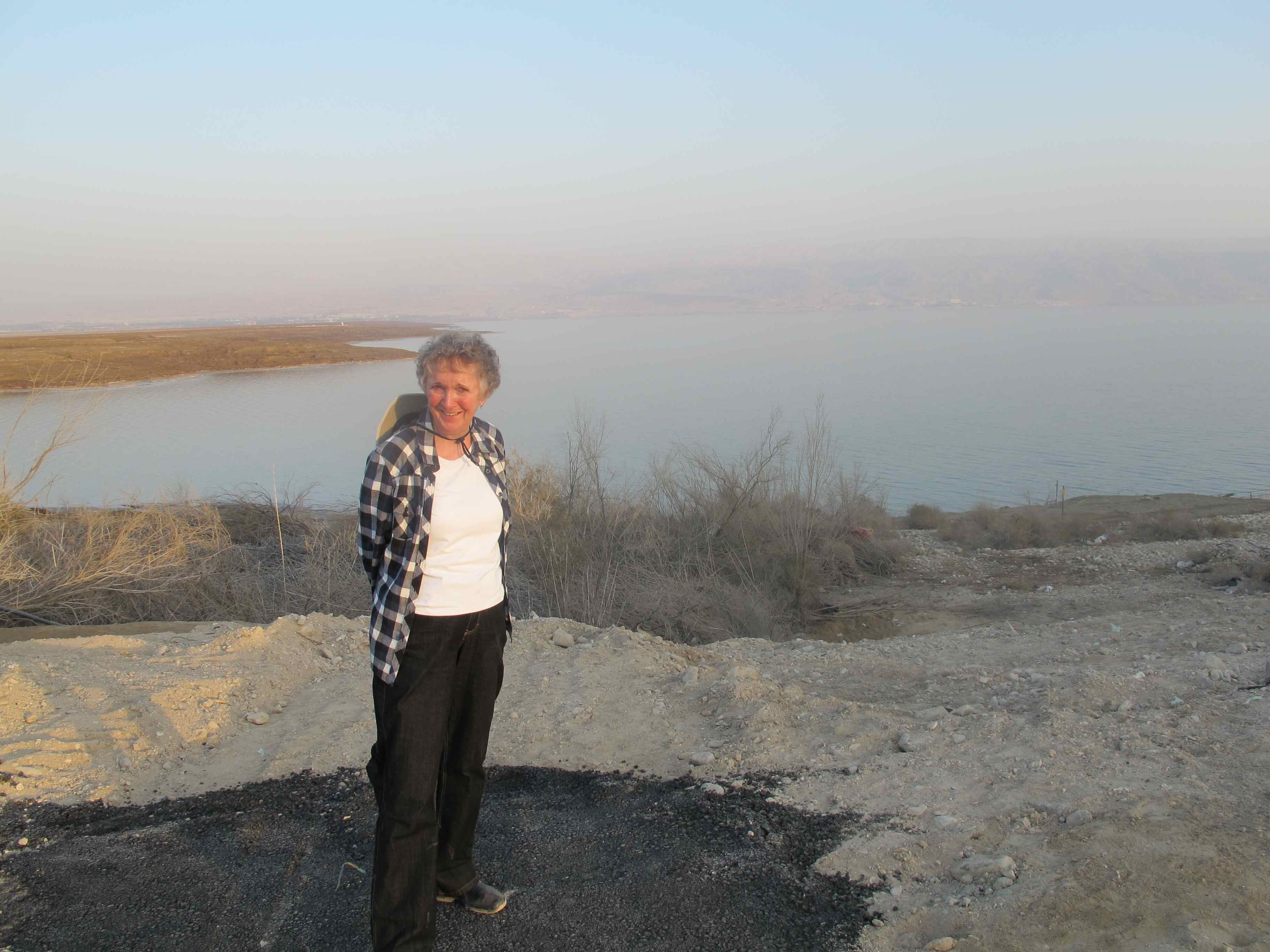
Afterwards, we made for the Dead Sea to see if it was really dead. It was. Some of us dipped our feet into it, some plunged in and lived to tell the tale.

Tonight we are in Jerusalem, not far from the Old City. Just finished a meal,

November 8, Going to Carmel

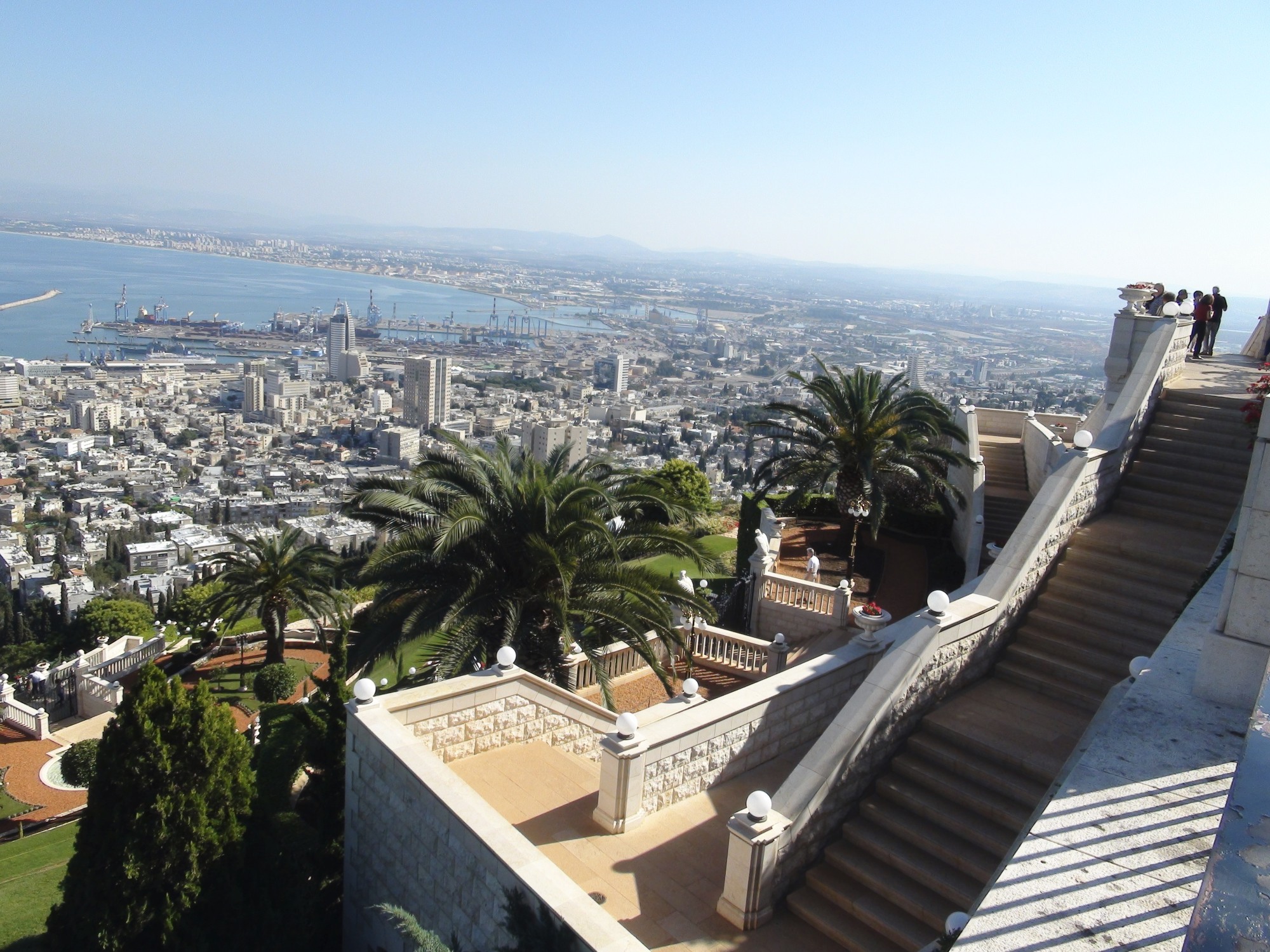
Today we drove from Tiberias to Carmel famous for its connection with the prophet Elijah,  stopping at Haifa, the main seaport of Israel and a place where Arabs and Jews live together peacefully, according to Joseph our guide. Here’s a picture of Haifa from above the B’hai gardens.

We then had Mass at Stella Maris, a Carmelite shrine above the sea. Fr. Carmelo, a Carmelite from Bergamo who spent 55 years in Japan graciously welcomed us. He told  me he was thinking of entering the Passionists but then joined the Carmelites. We taped the homily at Mass. The group sang like the Sistine choir, except for the Agnus Dei, which we have to work on. Maybe we will put my homily up on this blog shortly. I spoke about  Elijah and his relationship  to Jesus.

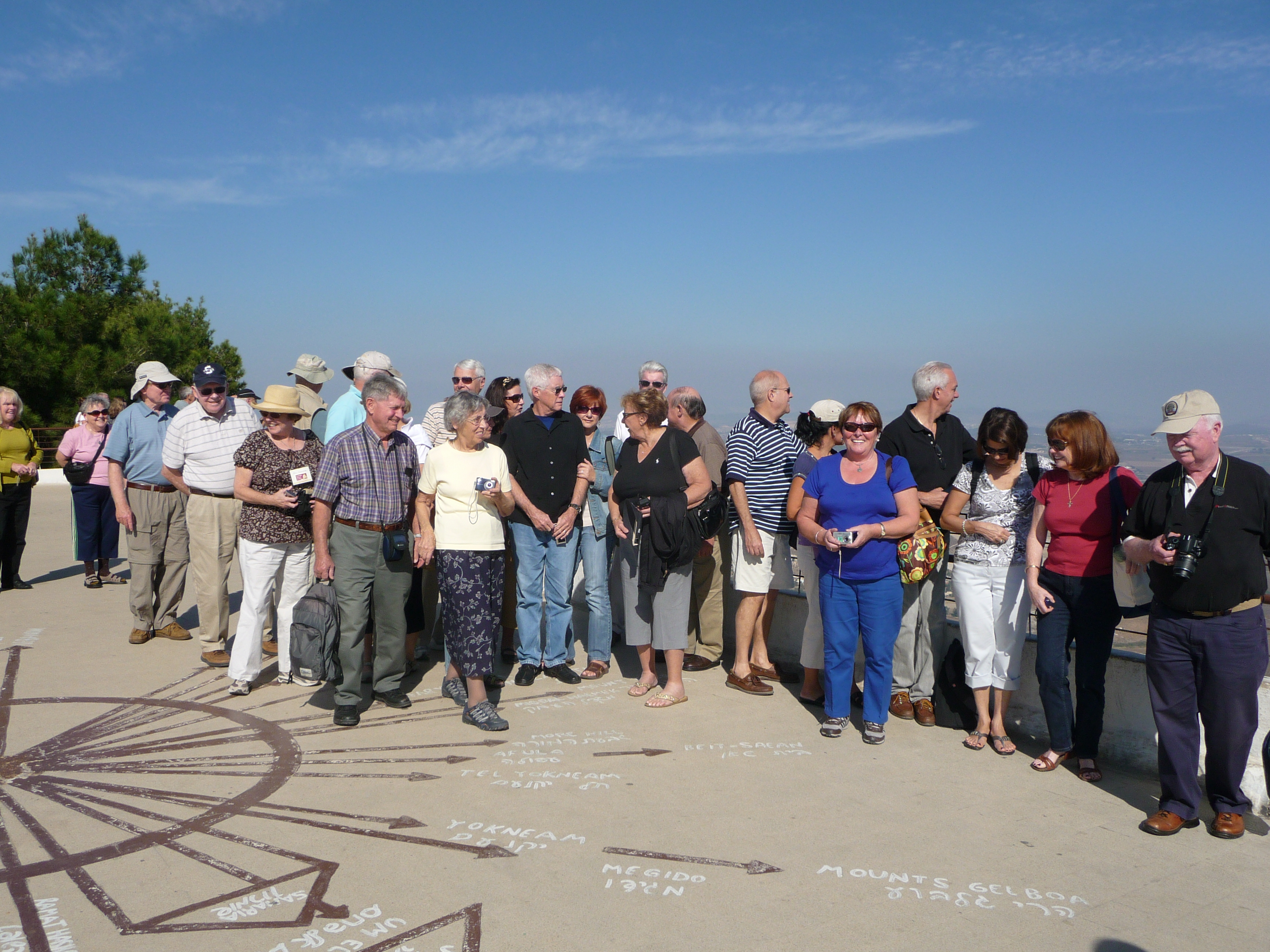
The view from  the top of Mount Carmel facing the Valley of Armageddon, on the the great battlefields of history, is spectacular.

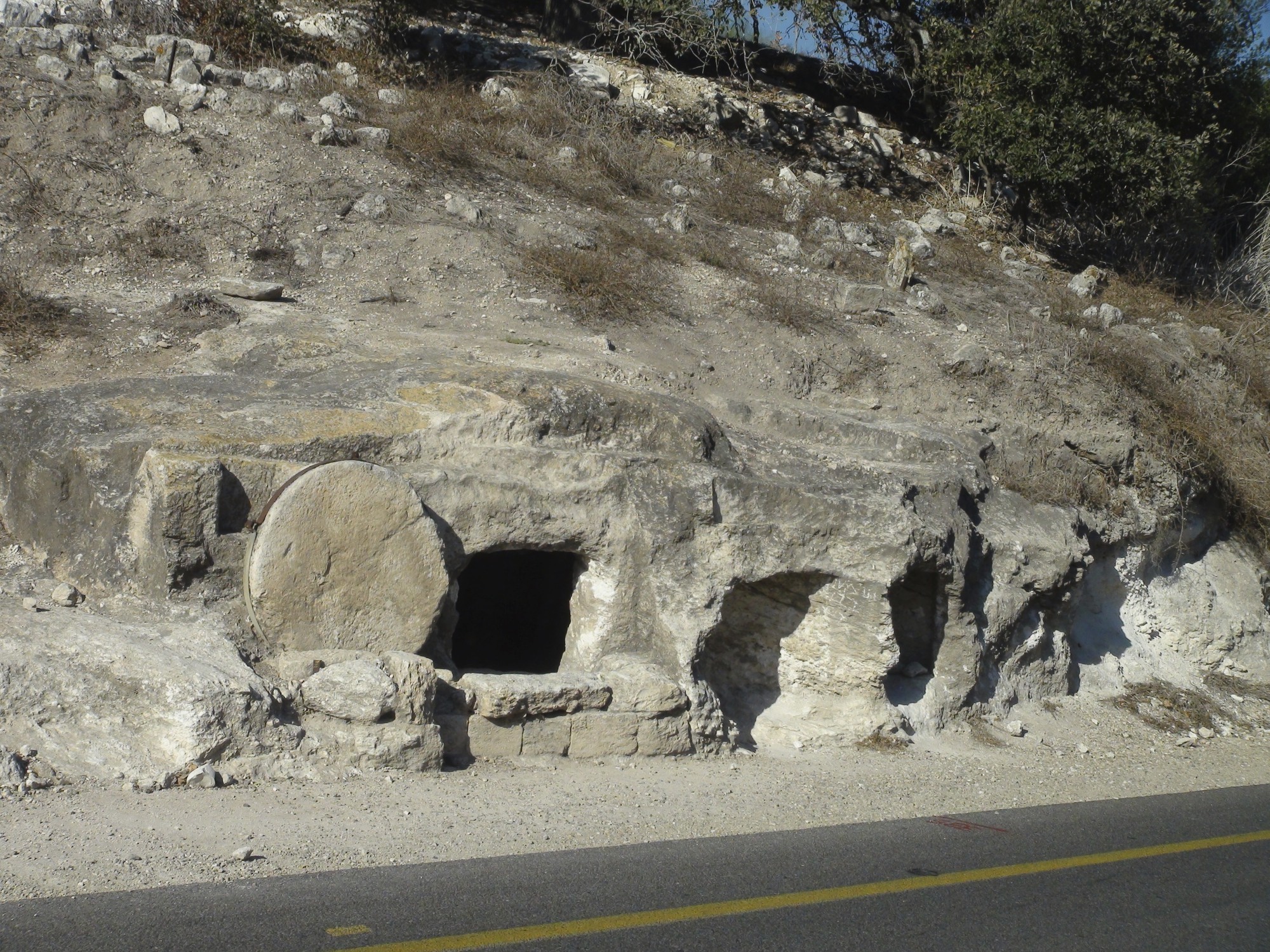
Coming down from the mountain, Joseph pointed out a tomb from the time of Jesus, recently discovered, that shows how burials were conducted then. It was discovered during a recent expansion of a highway near Carmel.

On the way back we passed Mount Tabor, which we will visit later, and Naim, where Jesus raised the son of the widow from the dead. Nearby Elijah raised a widow’s son from the dead also.

Finally, proof that an army marches on its stomach.

Safe and Sound

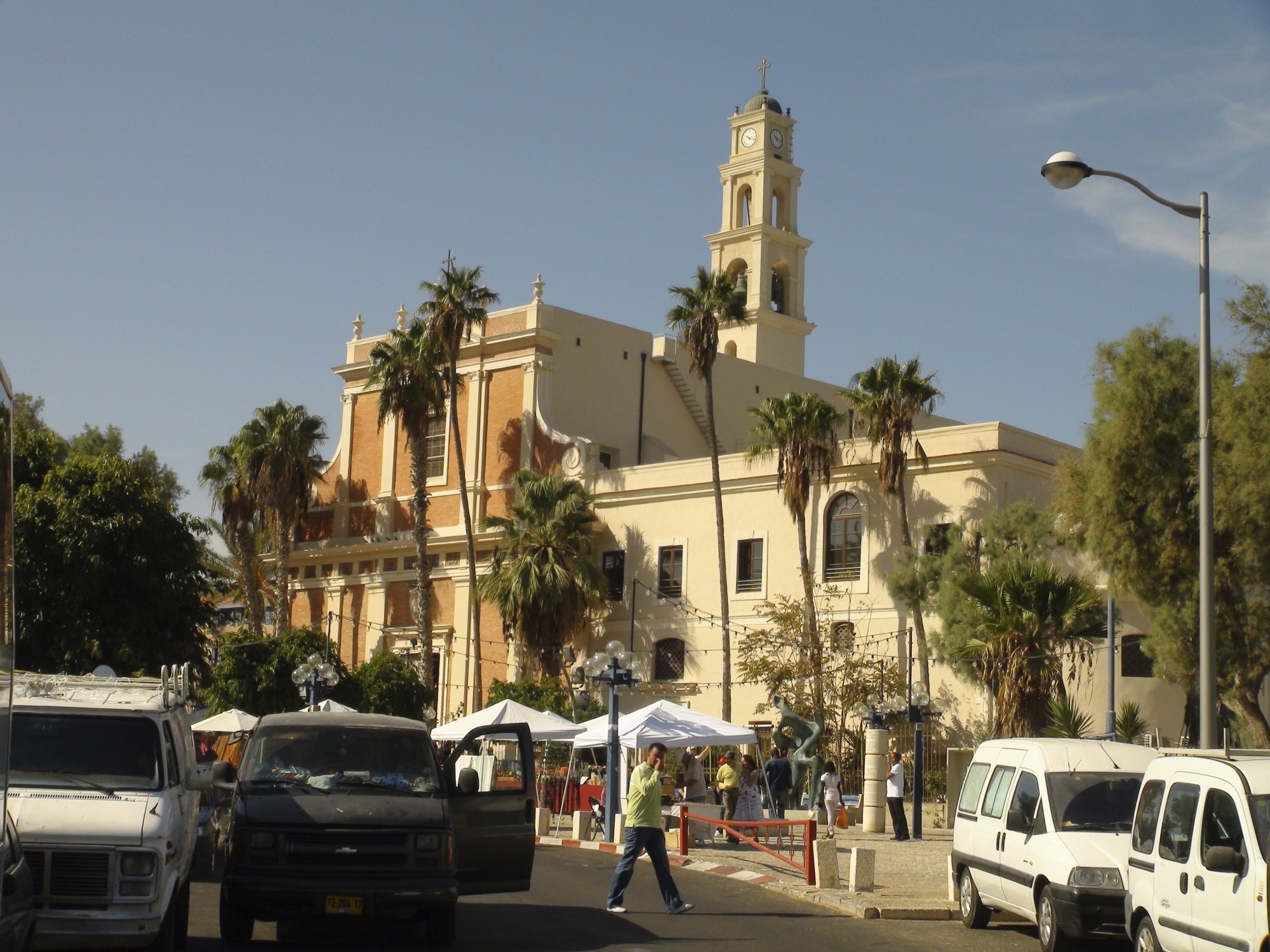
We are safe and sound on the Sea of Galilee, forty two weary pilgrims from St. Mary’s in Colts Neck. After an uneventful flight, (always appreciated) we were met my our guide, Joseph, a Palestinian Christian, and our driver, Eiz a Muslim from Bethany at about 8 AM this morning. Since our hotel rooms would not be ready till later because of the Sabbath, we toured Joppa, where a lovely Mass was taking place in French, and the ruins of Caesaria Maritima, where we saw Pilate’s  inscription and the great stadium and harbor of that important city. We finally made our hotel Gai Breach Hotel, in Tiberias, around 3 PM.

Joseph is a wonderful guide who explained the land and its development around Tel Aviv. He studied archeology at Drew University in Madison, NJ.

Tomorrow we go for Mass to Nazareth, then to Cana. If we have any energy left tomorrow, Joseph says he will take us somewhere else. Christians tourists are all over the area, from Houston, West Virginia, California, and of course New Jersey.

I have the homily tomorrow.

Going to Mount Carmel: the Prophet Elijah

The Bible Today, edited by Fr. Donald Senior, CP, is always worth reading, The current issue has some fine articles about Messianism written by top scripture scholars. “You are the Messiah, the Son of the Living God,” Peter says at Caesarea Philippi, when Jesus asks him who people say he is.  We may forget that Jesus was not born Jesus Christ; the appellation “Christ” meaning “Messiah” was added later to his name by his followers. Peter wasn’t alone in this declaration: “We have found the Messiah (which means Anointed,” his brother Andrews says. (Jn 1,41)

Jesus came into a Jewish world expecting a Messiah, but what kind of Messiah were they hoping for? Some Jews of the time expected a royal Messiah, the Son of King David. You see that expectation in the Gospel of Matthew which begins by tracing the human origins of Jesus back to David. “An account of the genealogy of Jesus the Messiah, the Son of David and Son of Abraham.”

Hope for a Messiah like the warrior King David who would free the land of Israel from its oppressors grew stronger among the Jews after the Roman occupation of Palestine by the Roman general Pompey in 63 BC. It can be seen in some of the Essene writings discovered from Qumran in recent times.

The Gospel of Matthew  indicates that ordinary people too were hoping for a kingly messiah at the time of Jesus. “Can this be the son of David,” the crowd says after he cured a man who could not see or speak. (Mt 12,23) “Hosanna to the son of David,” the crowd says as he enters Jerusalem on Palm Sunday. (Mt 21,9) That causes the leaders in Jerusalem to become angry, because a claim like that could fire revolution and they feared what would happen because of it. (Mt 21.15)

Jesus never claims to be a political revolutionary, however.  He refuses to fit neatly into that kind of messianic expectation. He will not lead an uprising against the Romans. He’s not John the Baptist come back from the dead. “Jesus is not confined to playing an already fixed role–that of Messiah– but he confers, on the notions of Messiah and salvation, a fullness which could not have been imagined in advance.” (Pontifical Biblical Commission)

If we ask what messianic expectation of his time Jesus comes closest to, we might find it in the hope for a prophetic messiah like Elijah.

Like Elijah, he will speak the truth against the powerful, he will help the poor, he will suffer persecution; he will raise the dead.

Our visit on November 8th to Mount Carmel, long associated with Elijah, will help us place Jesus in the context of his time.

Go, Tell It to the Mountains

Mountains were important for the ancient people of the Holy Land who lived at a time when maps were unreliable and directions from Google unavailable. The businesslike system of Roman roads didn’t reach everywhere. Going to distant places wasn’t easy, and so with no one to guide you, often the best you could do was to climb to high ground and get your bearings.

No wonder great mountains were considered sacred places. You could see far and wide from them. Yet, more important, mountains were also places for spiritual vision. The Jews knew that God had spoken to Moses on Mount Sinai and others experienced God on mountains too.

As a new Moses, Jesus taught on the Mount of Beatitudes, according to Matthew’s gospel.  (Mt 5-7) He called his disciples and after his resurrection sent them out to the whole world from a mountain in Galilee. (Mk 3,13; Lk 6,12, Mt 28,16)  He often prayed and reflected on a high place.(Lk 6,12)  As he set off for Jerusalem, he took his disciples up a high mountain and revealed his glory to prepare for the difficult journey that would lead to his sufferings and death. (Mt 17; Mk 9; Lk 9,28)

Mountains were places for making decisions and facing dangers. Early in his ministry, the devil tempted Jesus on a high mountain.(Mt 4,8) On the Mount of Olives as his disciples admired the beautiful buildings of the temple in Jerusalem, Jesus warned his followers that what they saw would be completely destroyed and wars and earthquakes and persecutions were coming besides. (Mk 13,3)  From that same mountain, as looked over at the moonlit city the night before he died, Jesus could see his own approaching death.

Mount Carmel: November 8th

We’re going to some of these holy mountains on our pilgrimage to the Holy Land this November. November 8th we will visit  Mount Carmel, where the Prophet Elijah, to whom Jesus is often compared in the gospels, communed with God and faced the cunning King Ahab, Queen Jezebel and the priests of Baal.

As Jesus preached and performed miracles, he reminded many Jews of the great prophet who worked mighty deeds and challenged the powerful.   Like Elijah, who was hounded by powerful leaders, Jesus was opposed by the powerful of his time. Was he the messenger of God’s coming kingdom?

This majestic mountain, set so prominently by the sea, was a place of worship for the  ancient Phoenicians, the Egyptians before the Jews and the Romans revered it as a holy place.

Mount of the Beatitudes: November 9th

The beautiful eight- sided church on the hillside outside the ruins of Capernaum, which we will visit, recalls the eight beatitudes summarizing the teaching of Jesus. “When Jesus saw the crowds he went up the mountain, and after he sat down, his disciples came to him. Then he taught them and began to speak…” (Mt 5, 1) His teaching, about prayer, forgiveness, reliance of God, patience, generosity, make his followers the salt of the earth and the light of the world. The “Sermon on the Mount” is found in chapters 5-7 of Matthew’s gospel.

Mount Tabor:November 10

None of the evangelists name the mountain where Jesus was transfigured, but Christian tradition gradually designated Mount Tabor, seven miles from Nazareth and close to other places where he ministered.  By the 5th century Christian scholars like St. Jerome had settled on the site.

From Tabor, rising like a great globe 1500 feet from the plains of Jezreel, you can see to the northeast Mount Hermon, Nazareth and the mountains that hide the Sea of Galilee To the southeast is the depression where the Jordan River winds its way to the Dead Sea. Mount Nebo, where Moses saw the Promised Land before his death, was there. Branching off the road along the Jordan River was the road to Jerusalem. As Jesus and his disciples stood on Tabor, the world they knew lay before them.

“This is my beloved Son, listen to him, ”  God says of Jesus, and his clothes become a dazzling white, anticipating his resurrection.  “It is good to be here,” the disciples say. In a transitory way, the mystery of the Transfiguration anticipates God’s promised kingdom, which comes through Jesus.

St. Luke in his gospel says that Jesus and his disciples went up the mountain of the transfiguration to pray. Painful and hard as the journey ahead will be, it will end in glory for them and for the whole world..

The Mount of Olives: November 13th

The Mount of Olives, overlooking the ancient eastern walls of Jerusalem, hold precious memories of  Jesus and his time in the city, especially the memory of his death and resurrection.  We’ll visit the Garden of Gethsemani on the lower slopes of the mountain, where he prayed and was arrested on Holy Thursday evening.

During the time of feasts, when the city was over-crowded, the Mount of Olives provided shelter for the overflow of pilgrims who came to the Holy City. The road leading to Bethany, where Jesus stayed with the family of Lazarus, winds over the mountain through the olive groves that still grow there.

“When he was sitting on the Mount of Olives, opposite the temple,” Jesus spoke of the destruction of the temple and various catastrophes that would mark “the birth pangs” of a new age. (Mk 13,3 ff)  According to the Acts of the Apostles, Jesus ascended into heaven from the Mount of Olives. (Acts 1,12)

In the Byzantine period, the Mount of Olives was a favorite place for Christian religious and pilgrims to stay while visiting the Holy Land.