Tag Archives: gospel of Mark

The Mystery of the Cross

We’re reading the Letter of James and the Gospel of Mark these weekdays at Mass, writings going back to the 60s, from Jerusalem and Rome respectively. Three important Christian leaders were put to death in that decade: James, Peter and Paul. We see their deaths now as the glorious death of martyrs; Christians then were probably more aware of losing three religious leaders they depended on for guidance.

The Letter of James and the Gospel of Mark (traditionally acknowledged as the spokesman for Peter) were voices for these disciples in the churches they left behind.

In the 60s a growing turmoil engulfed the church in Jerusalem, as Jewish Christians faced growing opposition in the city. The death of James, their leader, at the hands of Jerusalem’s Jewish leaders is evidence of this antagonism. Because of it, many Jewish Christians left Jerusalem and went into exile. The destruction of the city by the Romans in 70 AD canceled any plans they had for returning home.

In the 60s, the Christians of Rome experienced persecution of another kind. It was a sudden, unexpected persecution by the Emperor Nero that followed the fire that destroyed most of the city in 64 AD.

The Disciples' Unbelief

The Disciples’ Unbelief

It’s good to keep the background of these writings in mind when reading them. In today’s reading, Mark emphasizes a theme that runs through his gospel. “Do you still not understand?” Jesus asks his disciples. (Mark 8,21) What the disciples, led by Peter, don’t understand especially is the mystery of his passion and death.

Writing for the Christians of Rome, Mark wants them to see in the incomprehension of Jesus’ first disciples their own incomprehension before the vicious suffering inflicted on them at the hands of a powerful and unjust emperor.
They don’t understand. It’s a mystery slowly understood.

And they wont be the last to not understand the mystery of the cross. We’re seldom ready for it and slow to recognize all the forms it takes.
A Holy Banquet

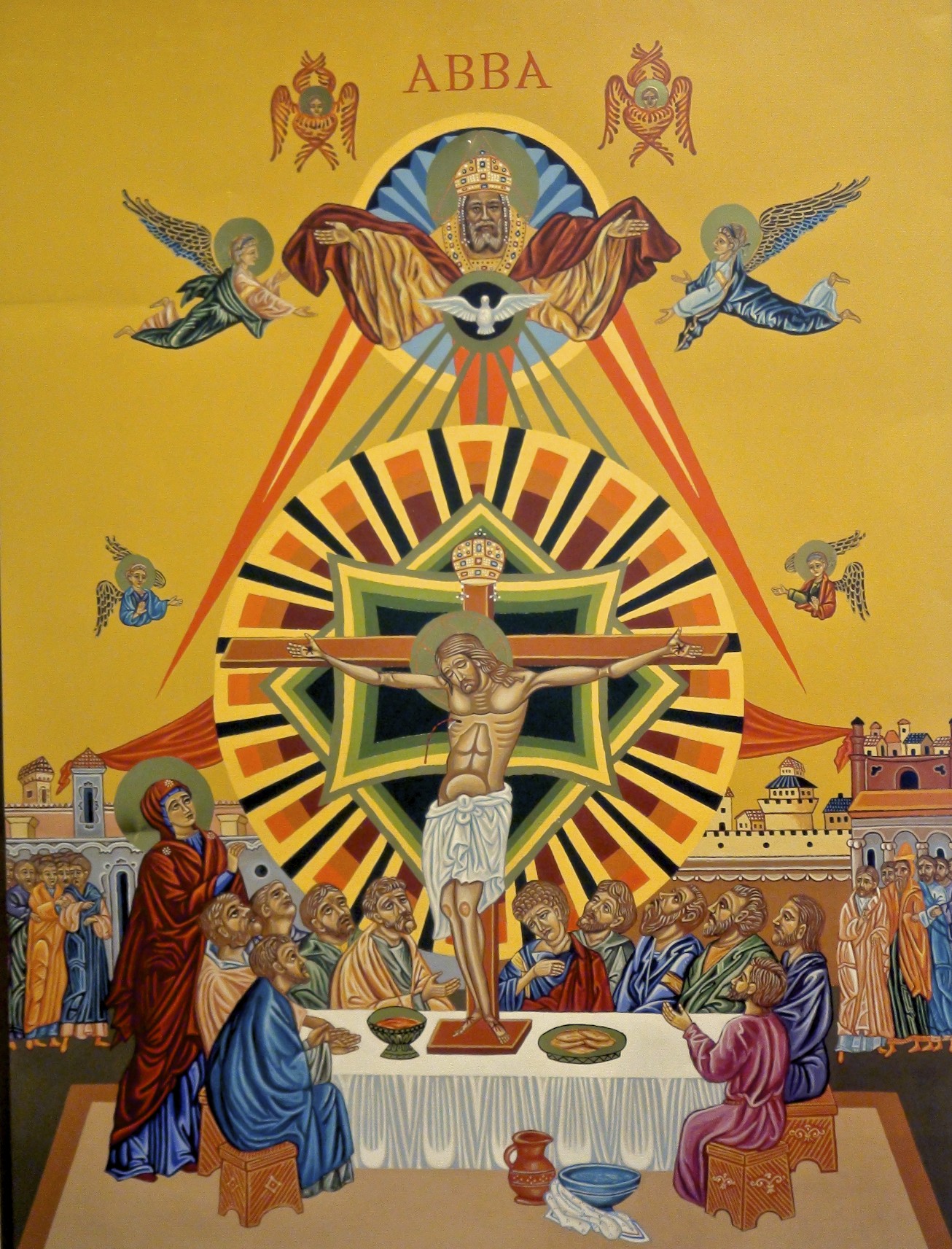
EucharistGod’s shows his love for his people by calling them to a banquet. During the Advent season, the Prophet Isaiah offers that promise of God to his people Israel. On Wednesday in Advent’s first week, he speaks of a holy banquet of rich food and drink that God will provide on his holy mountain in Jerusalem for all people. (Isaiah 25,6-10)

In the days after the Epiphany, the evangelists describe a holy banquet in Galilee. There Jesus, whose heart is moved with pity for those who follow him, feeds a vast crowd bread and fish, “And they all ate and were satisfied.” (Mark 6, 34-44) There in “the Galilee of the Gentiles” God’s promise is fulfilled. “All” people eat and are satisfied. We recall that sign of God’s love in our gospel reading today from Mark.

The love of God should fill us with wonder and praise. Yet Mark’s gospel goes on to say that the people who ate the loaves “did not understand” the mystery they had experienced. Still true? Do we understand the mystery of God’s love and the signs we experience here and now? One of these signs is the Holy Eucharist.

Peter’s Mother-in-Law

The gospels tell the good news of Jesus Christ– what he did and said. They don’t tell it all.

We’d like to know more about him, of course, but how about some others the gospels mention in passing?

Like Peter’s mother-in-law, for example, whom Mark’s gospel recalls. After leaving the synagogue at Capernaum where he expelled an unclean spirit from a man, Jesus entered the house of Peter and Andrew where Peter’s mother-in-law has a fever. Not quite as bad as being possessed by an unclean spirit, we may think,  but most of us know a bout with the flu can take  a lot out of you too.

Jesus took her by the hand and helped her up. The fever left her and she waited on them.
That final phrase “and she waited on them” – says a lot.

She was one of those who cooked their meals, washed and mended their clothes, fussed over them when they came home, wanted to know what happened that day, tried to protect them when too many people were knocking on the door to see them. Cook, Cleaner, Advisor, Gatekeeper, Supporter, and much more.

We all know what it means when someone like her waits on us.

Peter’s mother-in-law not only received the blessing of Jesus but kept it alive in what she did. She welcomed Jesus in the way she alone could. Without what she did, do you think he and his disciples could have carried on?

The church exists on many levels. Paul used the analogy of a body. We tend to think it’s just a few that bring the gospel to the world, but it’s never been the work of a few. Many, like Peter’s mother-in-law, have a part in it too.

The church is not made up of “Lone Rangers.” The final chapter of Paul’s Letter to the Romans has a litany of people in the Roman church whom the apostle greets as friends and co-workers. Most of them we know nothing about. Some of them, like Peter’s mother-in-law, probably “waited on him.”