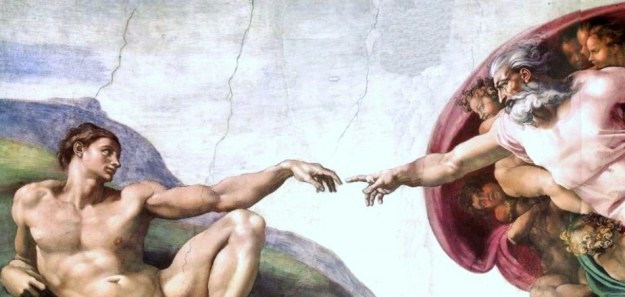
Jesus says in today’s gospel : “In praying, do not babble like the pagans, who think that they will be heard because of their many words. Do not be like them.Your Father knows what you need before you ask him.” (Matthew 6, 8)
Gerhard Lohfink in his recent book “The Our Father” notes that ancient Near Eastern prayers began with a long address to the god approached. An Akkadian prayer, for example, begins: “God of heaven and earth, firstborn of Anu, Dispenser of kingship, Chief Executive of the Assembly of the gods, Father of gods and men, Granter of agriculture, Lord of the air”.
“One senses that the forms of address had to be precise; otherwise the god would not listen. It’s not a simple matter to speak to him without making a mistake. Correct language and competence in praying are required. Above all, one must know the deity’s proper name.
Nothing of the kind in the Our Father! ‘Abba’ that’s the only address. It’s familial.”
The creed and other Christian prayers keep that address as first. “I believe in God, the Father Almighty, creator of heaven and earth.” The Creator is our Father. The creed tells us what we as God’s children have received from our Father and what we are promised.
“We would not dare claim such a name in prayer, unless God himself had given us permission to pray this. And so, we should remember that when we call God our Father, we must live as children of God, so that whatever pleasure we take in having God for our Father, he may take the same pleasure in us.” (St. Cyprian, Commentary on the Our Father}


 The Victor's Place