St Pontian, Pope and Martyr, and St Hippolytus, Priest and Martyr. August 13
Pontian and Hippolytus lived in 3rd century Rome and died in Sardinia in the persecution of Maximus Thrax about the year 235. Sardinia was Roman penal colony no one escaped from, the Romans called it the “Isle of the Dead.”
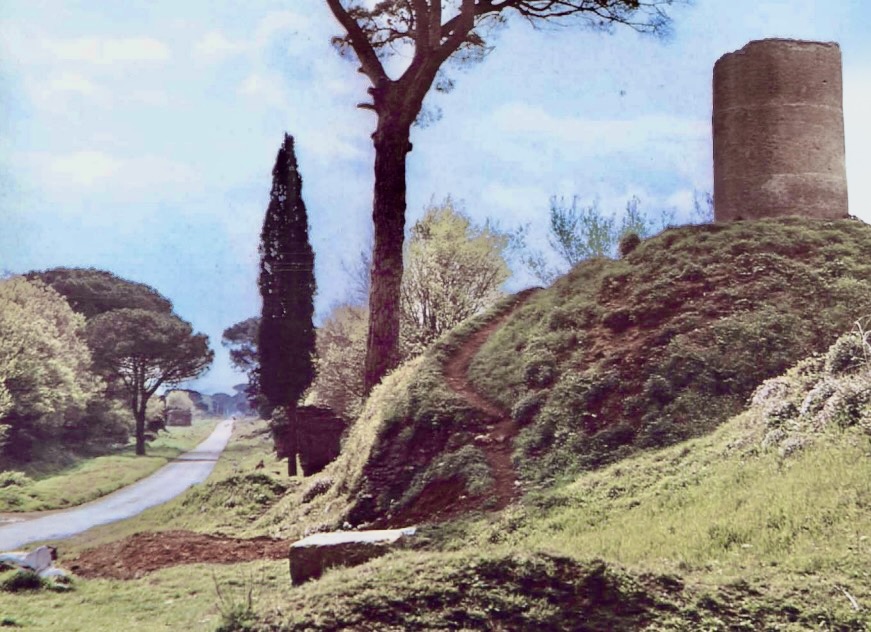
They’re considered important martyrs in the early church and their bodies were taken back to Rome by Pope Fabian. Pontian was buried in the chapel of the popes in the cemetery of St. Callistus. Hyppolytus was buried in a cemetery along the Via Tiburtina.
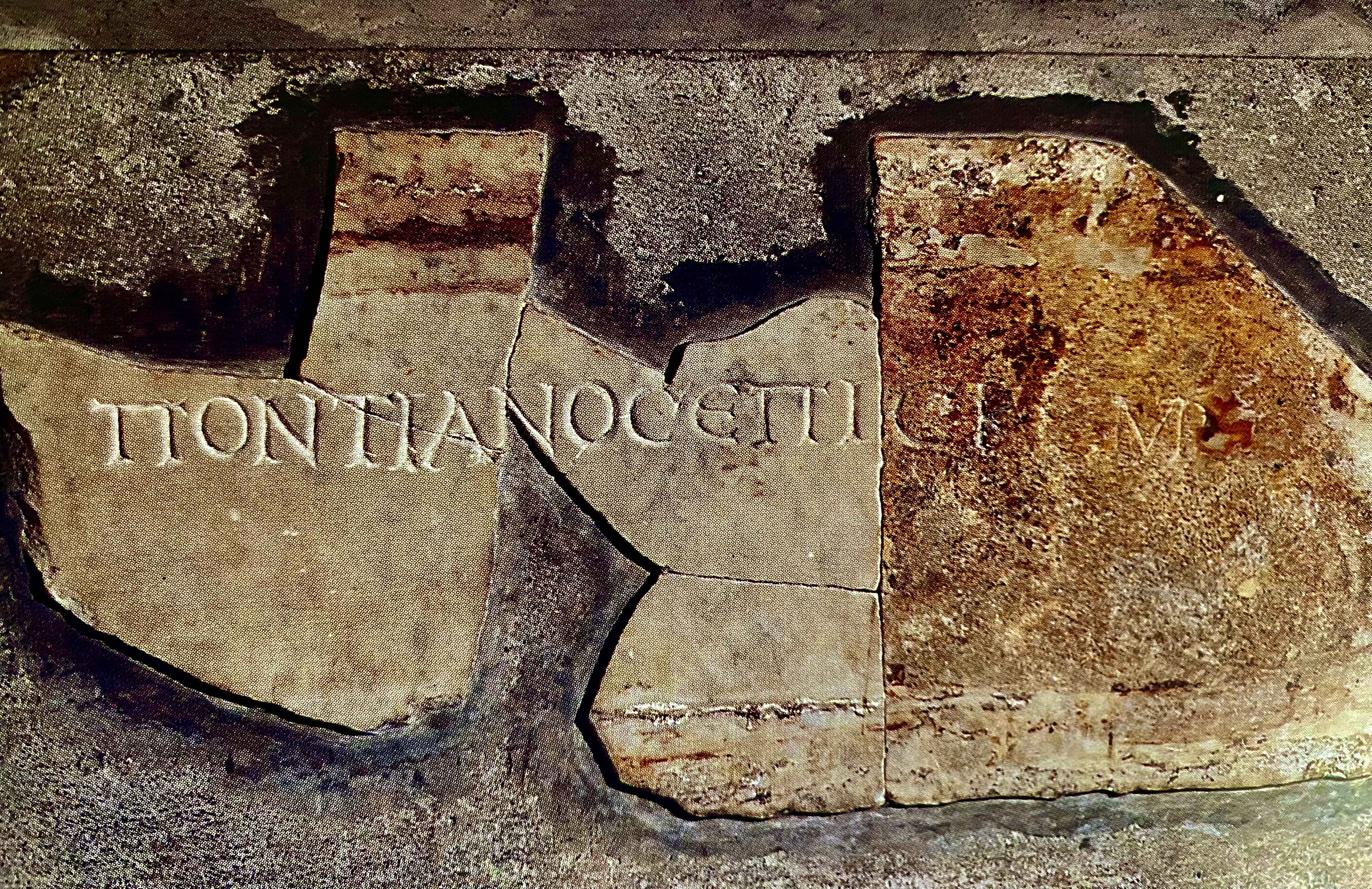
Originally they were honored separately in our liturgical calendar, but in 1969 when our calendar was reworked after Vatican II they were given a feast together. One reason was that they were rivals for power in the Roman church and were reconciled as they faced death together. Forgiveness is always identified with martyrdom.
They also give us a picture into the early development of the papacy in Rome. It was not the smooth process often pictured in church history books. .
The early church in Rome emerged from the large Jewish community in that city, which gradually separated from the synagogues to settle into house churches, modeled after the Jewish synagogue. There’s evidence that the separation was not peaceful.
Historians like Eamon Duffy say that the house churches in Rome were less centrally organized than the communities in Antioch, for example.“To begin with, indeed, there was no ‘pope’, no bishops as such, for the church in Rome was slow to develop the office of chief presbyter, or bishop.” (Saints and Sinners, A History of the Popes, New Haven, USA, 1997 p 7)
That’s not say that the Roman church wasn’t looked up to. From earliest times the Roman church was seen as the church founded by two great apostles, Peter and Paul. It was also the church of Rome, seat of Roman government. Some of its members served in Caesar’s household.
The papal office developed in response to heresy. Rome was a magnet drawing teachers like Marcion who came to Rome in 140 and wished to do away the Old Testament and all Jewish teaching. About the same time, Tatian and the gnostic Valentinus visited Rome. They had to be dealt with.
That’s where figures like Hippolytus come in. He was a brilliant theologian and champion of orthodoxy. Yet, according to some sources he thought he should be bishop of Rome rather than someone like Callistus, a former slave whose abilities he considered far inferior to his own. The papacy then was far from the well-ordered institution we know today.
The saintly martyrs we honor today didn’t live or die in a vacuum. They were fully involved in their own. unsettled times. I wonder if Pope Fabian, who was a peacemaker, brought their remains back to Rome as examples of peace and reconciliation for a church experiencing heretical teachers and periodic outbursts of persecution.
Living in your own times is always a form of martyrdom.
 The Victor's Place