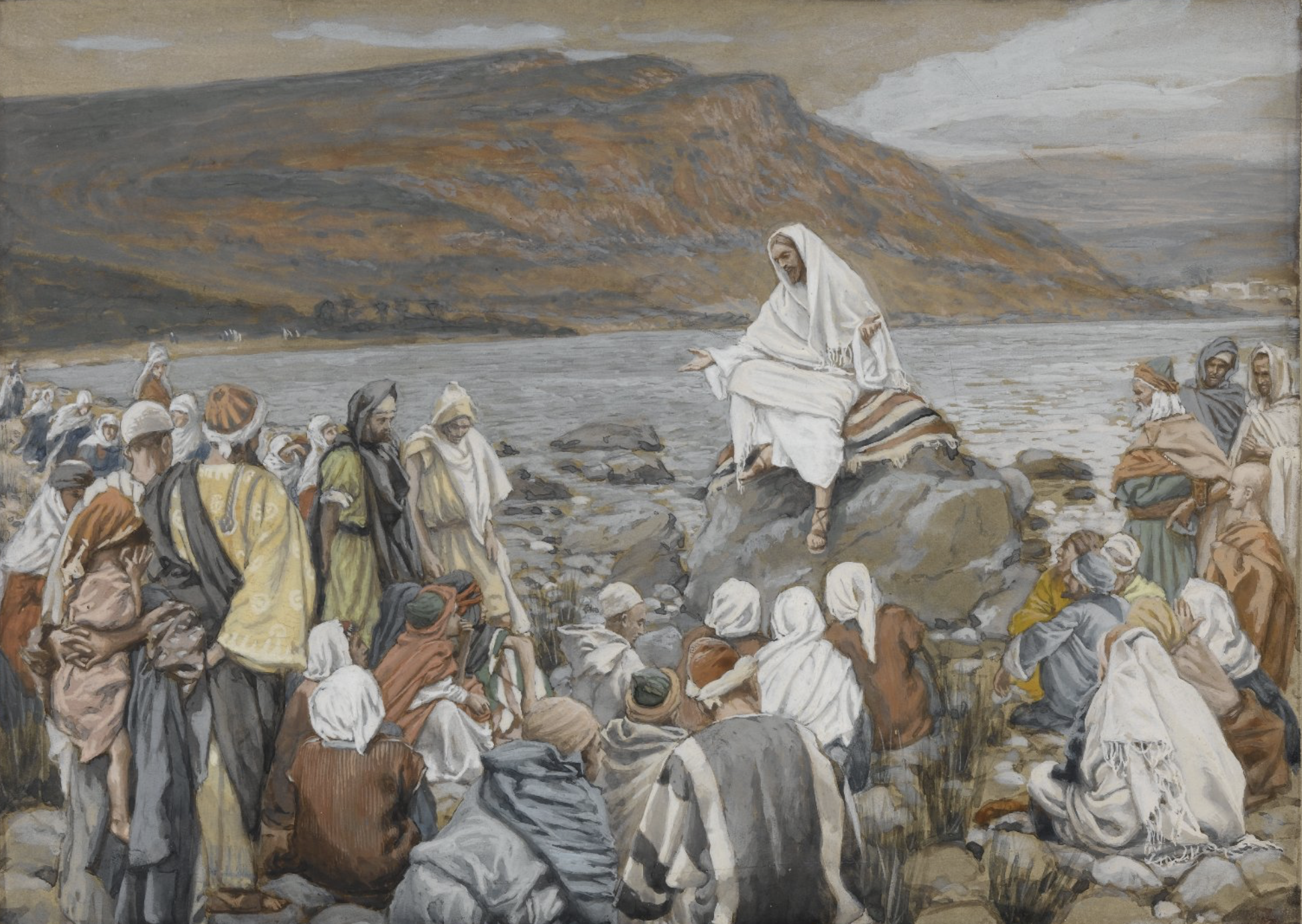
“A sower went out to sow. some seed fell on the path, and birds came and ate it up. Some fell on rocky ground, where it had little soil. It sprang up at once because the soil was not deep, and when the sun rose it was scorched, and it withered for lack of roots.Some seed fell among thorns, and the thorns grew up and choked it.” ( Matthew 13:1-9)
Jesus tells the crowd at the lakeside the parable of the sower after the Pharisees, the towns where he taught and worked wonders and his own family from Nazareth oppose him. (Matthew 11-12) Previously, Jesus sent his own disciples out to proclaim his life-giving message but he tells them: “Do not go into pagan territory or enter a Samaritan town. Go rather to the lost sheep of the house of Israel. As you go, make this proclamation: ‘The Kingdom of heaven is at hand.’” (Matthew 10:
When they proclaimed his message to the lost sheep of Israel the seed fell on tough ground. They found the same opposition that Jesus did, more than they expected. .
Our reading today is an example of how an evangelist like Matthew used what Jesus experienced as an example for the church of his time. Matthew’s gospel was written around 90 AD with an eye on the religious conditions then in Galilee. The area had changed since the time of Jesus. After the Romans destroyed Jerusalem in 70 AD, many Jews influenced by the Pharisees moved into Galilee seeking to rebuild Judaism. They strongly opposed the followers of Jesus of Nazareth.
Matthew’s gospel reflects the increasing tension between Christians and Jews in his day. The parable Jesus originally taught throws light on this new situation. The ground is hard, rocky, with little soil. Still, the seed must be sown, however it’s received. Don’t give up on the tough ground, don’t judge it hopeless, Matthew’s gospel insists: Some seed falls on good ground.
A lesson for us today? Seems so. The soil was unwelcoming then, Matthew’s gospel says. Our soil seems unwelcoming now… Still!
 The Victor's Place