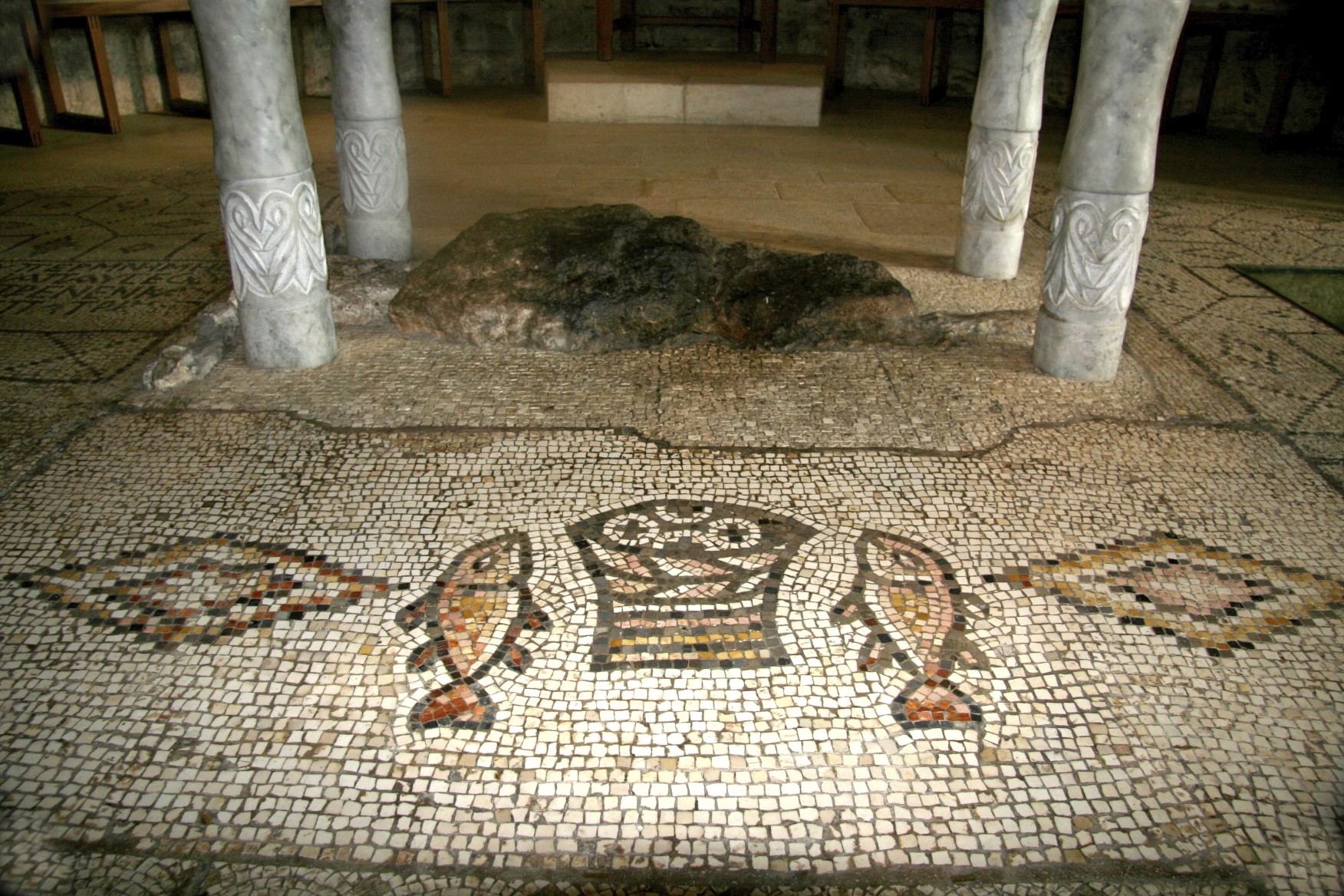
“I Love a Mystery” was a radio program I listened to as a young boy, long ago. It started, as all mysteries do, with something concealed. Someone, something was lost, someone was killed or was being hunted down and for the next half hour you would follow the various clues until the mystery was solved.
The Mass is a mystery too. A “mystery of faith,” we say, and it hides the treasures of our faith.
One of the earliest terms describing the Mass is “the Lord’s Supper,” referring of course to the supper that Jesus shared with his disciples the night before he died. He spoke to them that night of his love and then gave himself to them under the signs of bread and wine. Then he said “Do this in memory of me.”
In every Catholic church we try to keep his command. Whether it’s St. Peter’s Basilica or a parish church or a small chapel off a busy city street, there’s an altar, a table, at the center of the place and the Lord’s Supper is celebrated here in memory of him.
Readings from the Old and New Testaments will be read here, because Jesus spoke from the scriptures to his disciples. Then the priest who represents Jesus takes bread and wine, gives thanks to God for the gifts of creation and life itself, then repeats the words of Jesus, “This is my body” “This is my Blood.” Then we all receive these gifts.
We gather around Jesus as his disciples did, not perfect disciples to be sure, but we’re among those “whom he loved till the end.” And he feeds us with his wisdom and life.
Our celebration of the Mass can be flawed by cold routine or lifeless participation. We who take part in the Mass–priest and people – may not bring the lively faith or spirit of thanksgiving that’s “right and just” for this great act of worship. But still, as a church we celebrate the Lord’s Supper. We have been celebrating it from the time of Jesus till now, and we will continue till its signs are replaced by the reality of the Kingdom they signify.
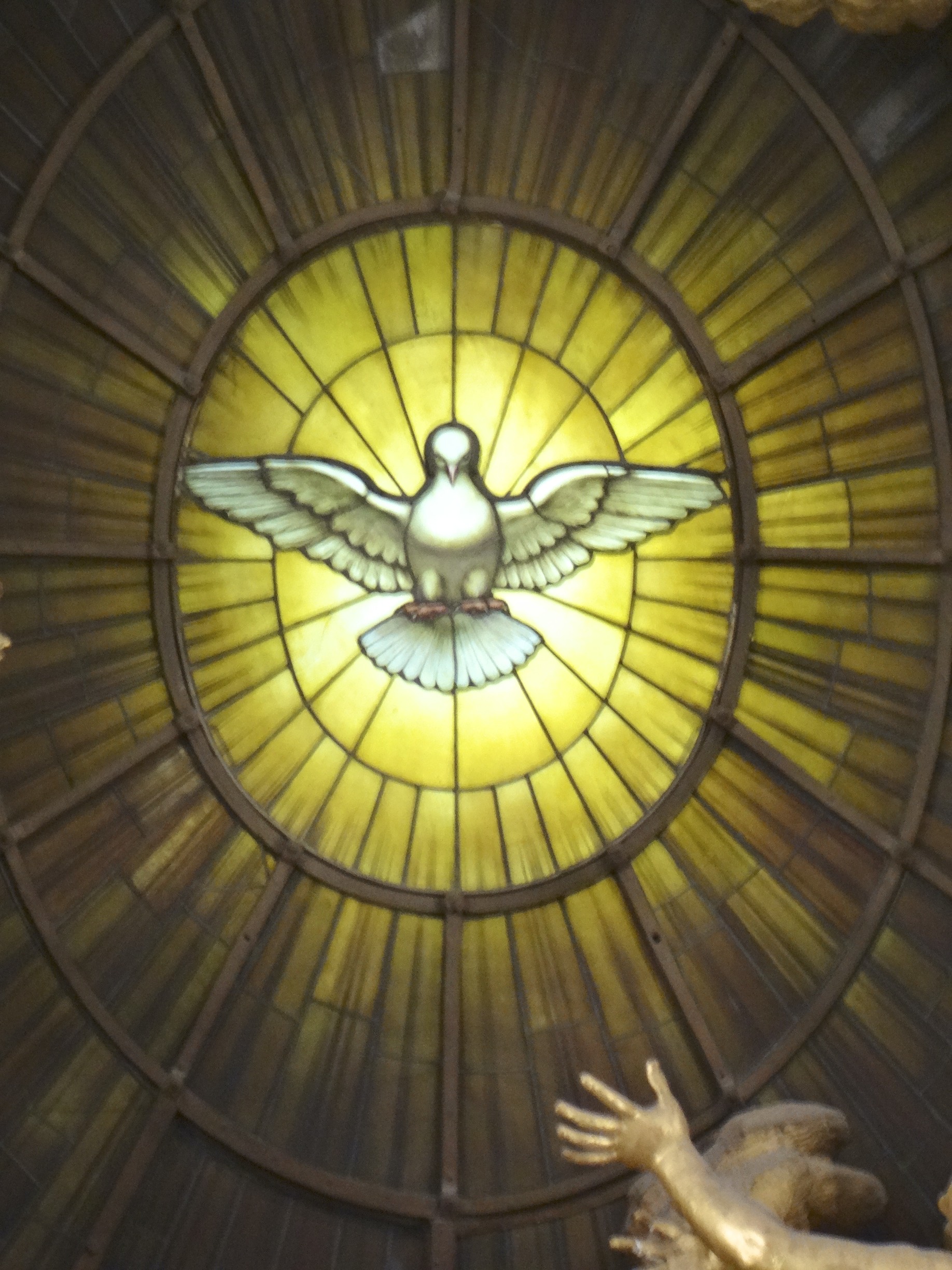
Ordinary time is when the Holy Spirit acts. It’s also the time when we know Jesus Christ through the signs he has left us, particularly through the Holy Eucharist.
 The Victor's Place